Project
External and internal building restoration of Thames Water's Victorian Pumping Station
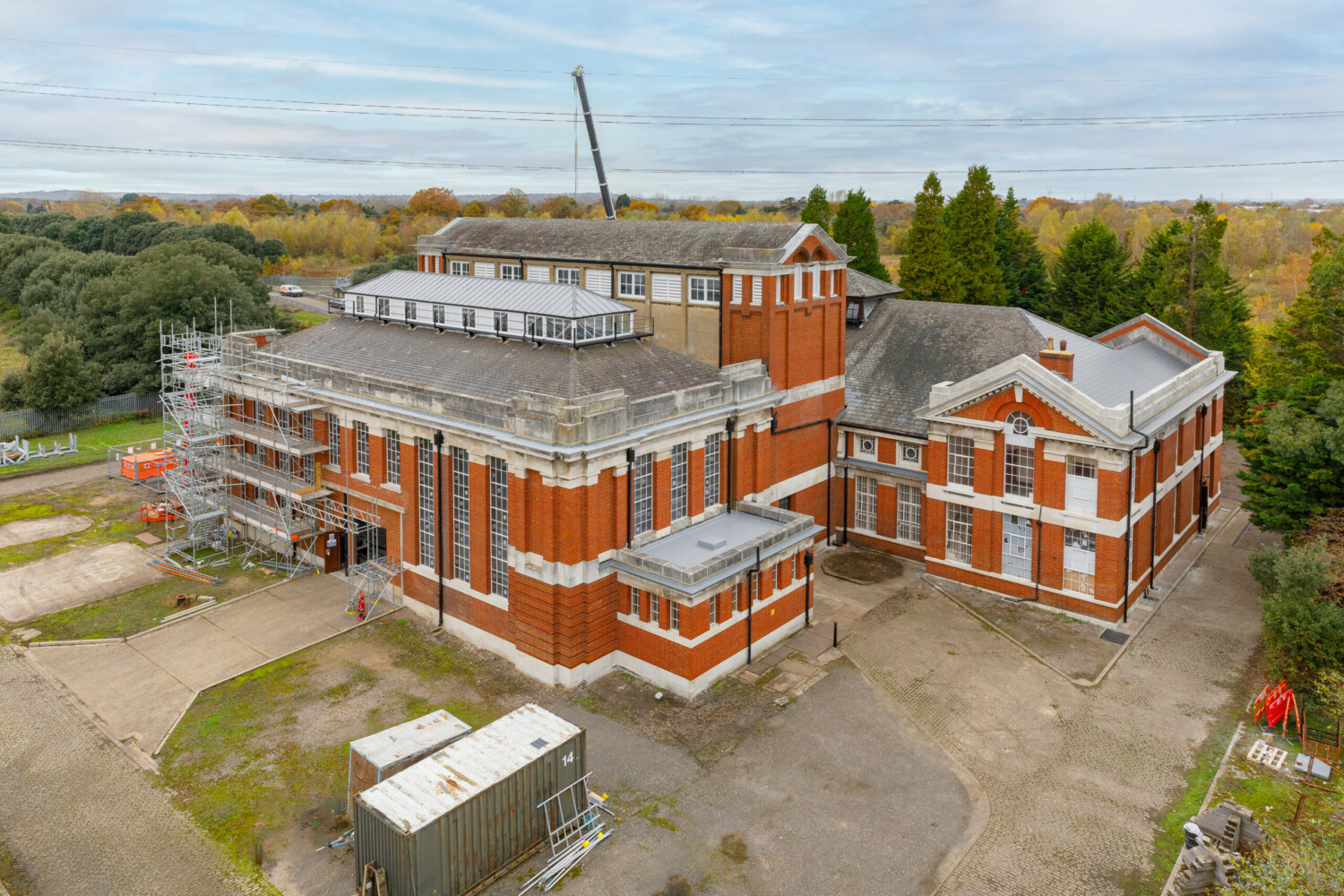
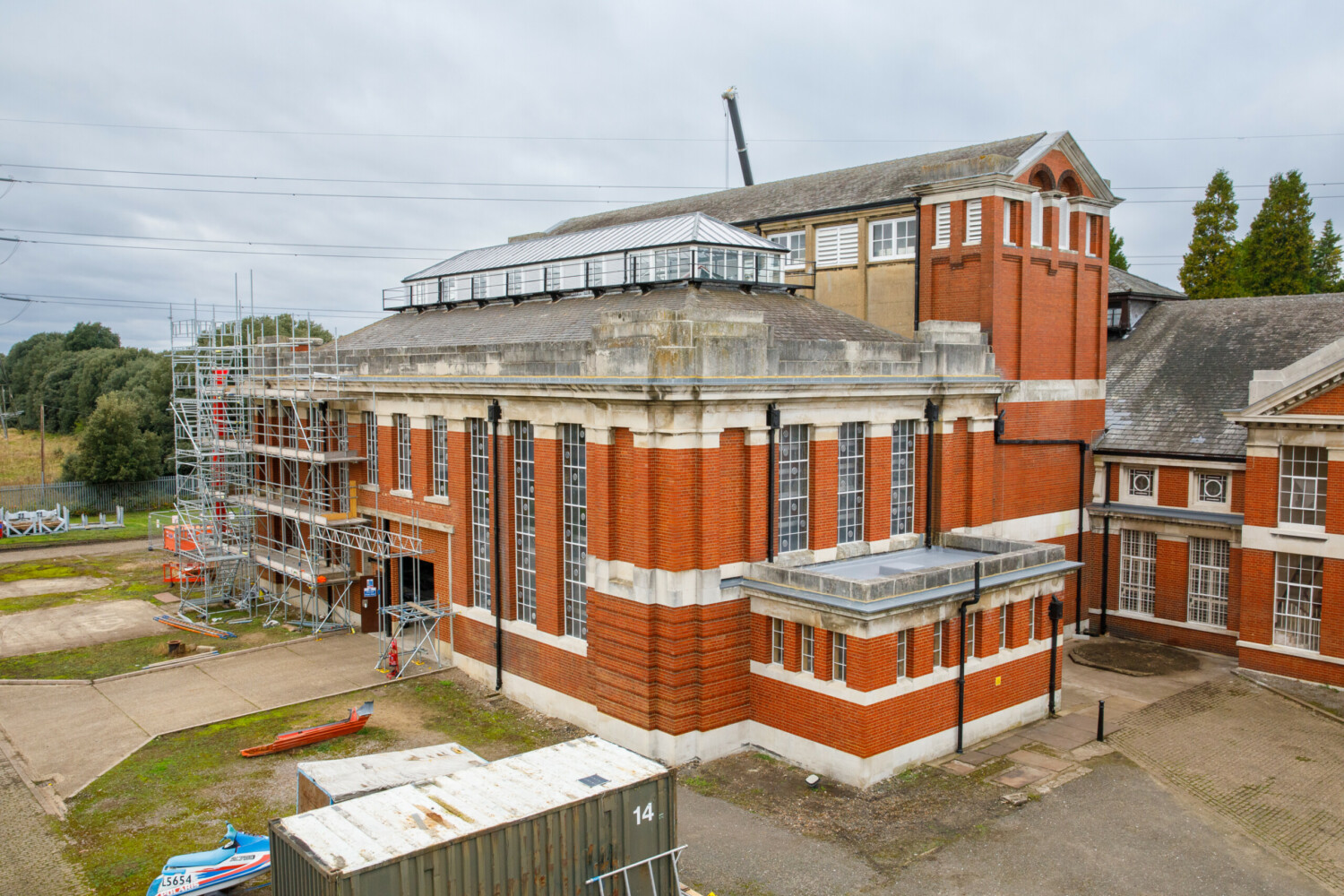
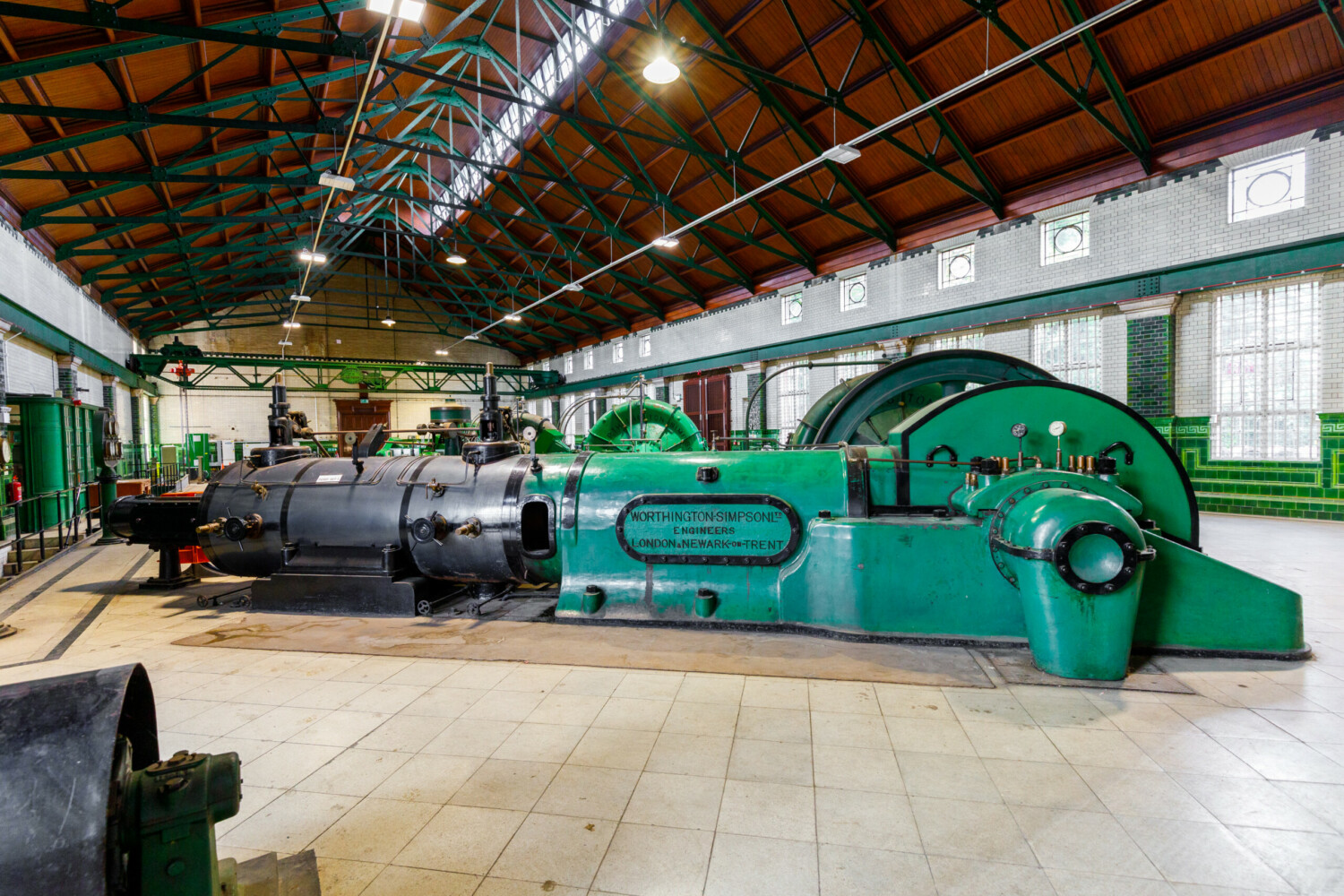
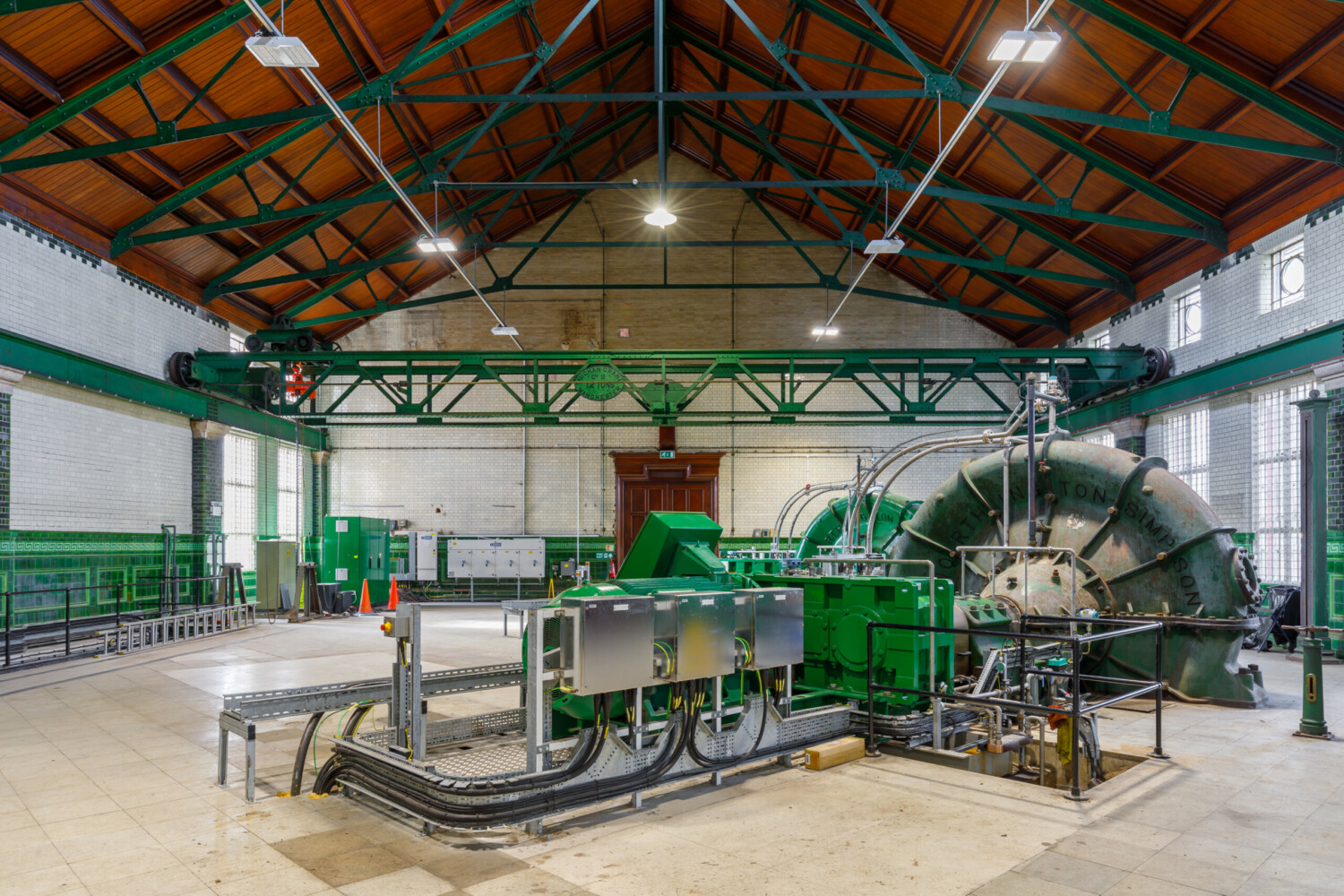
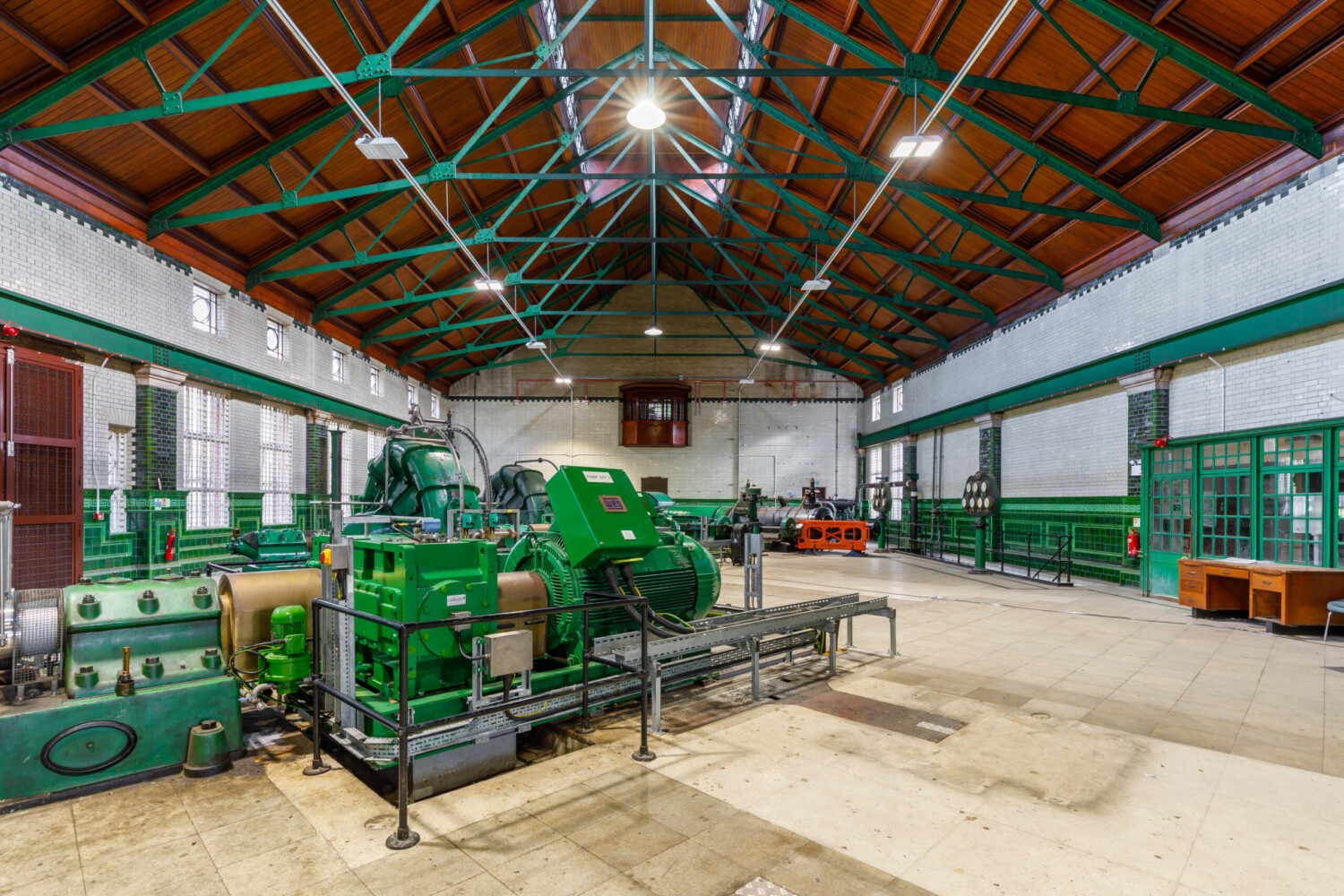
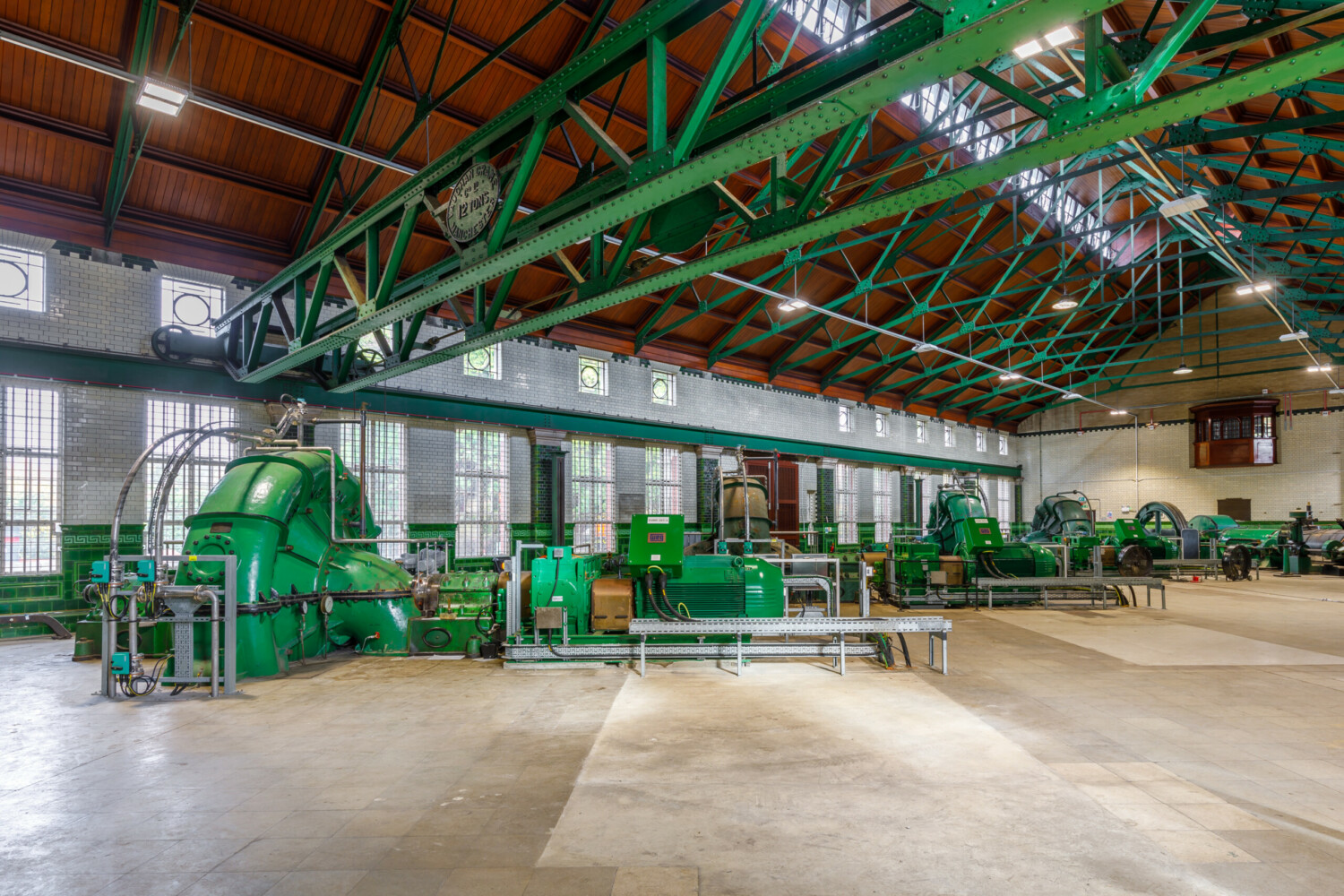
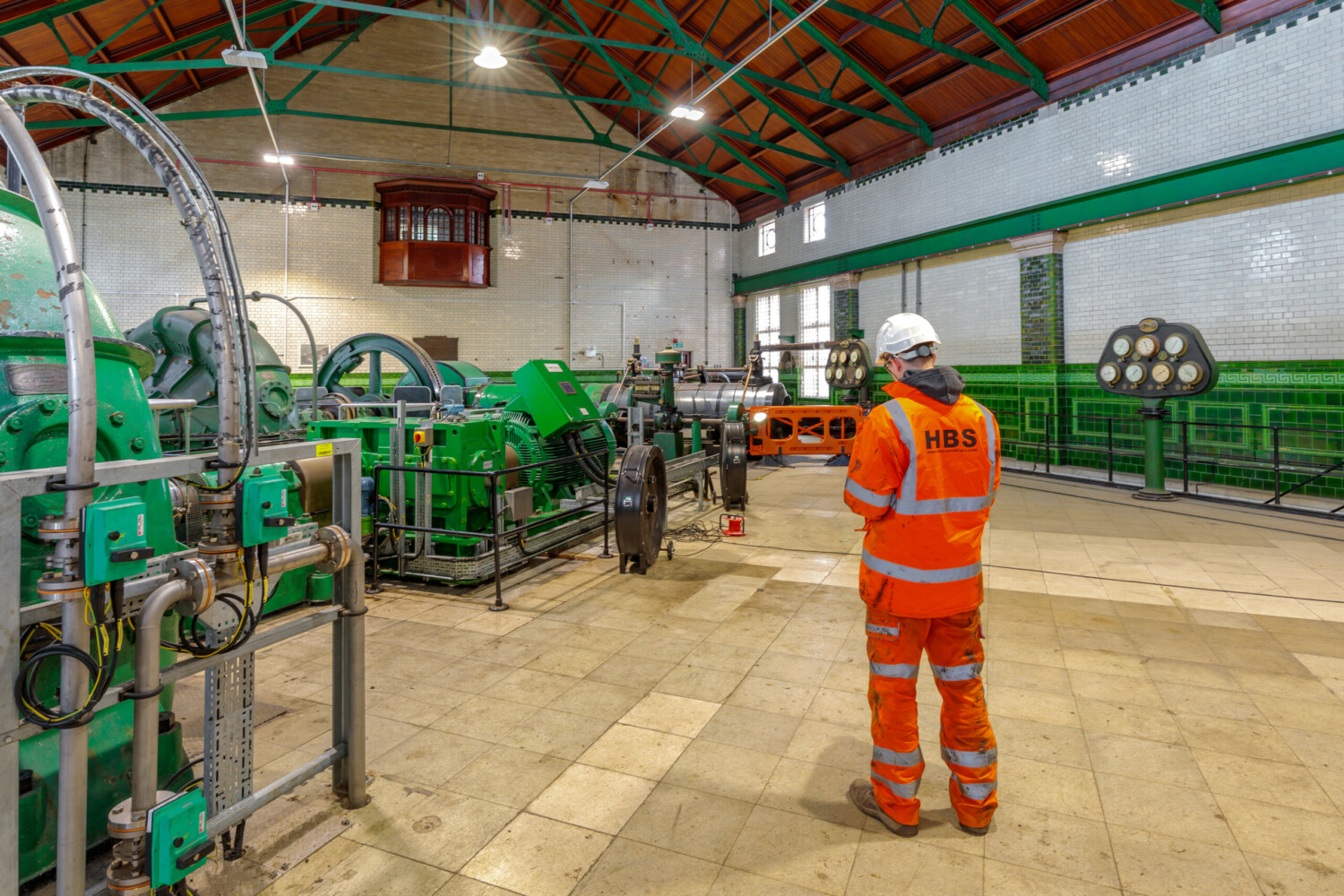
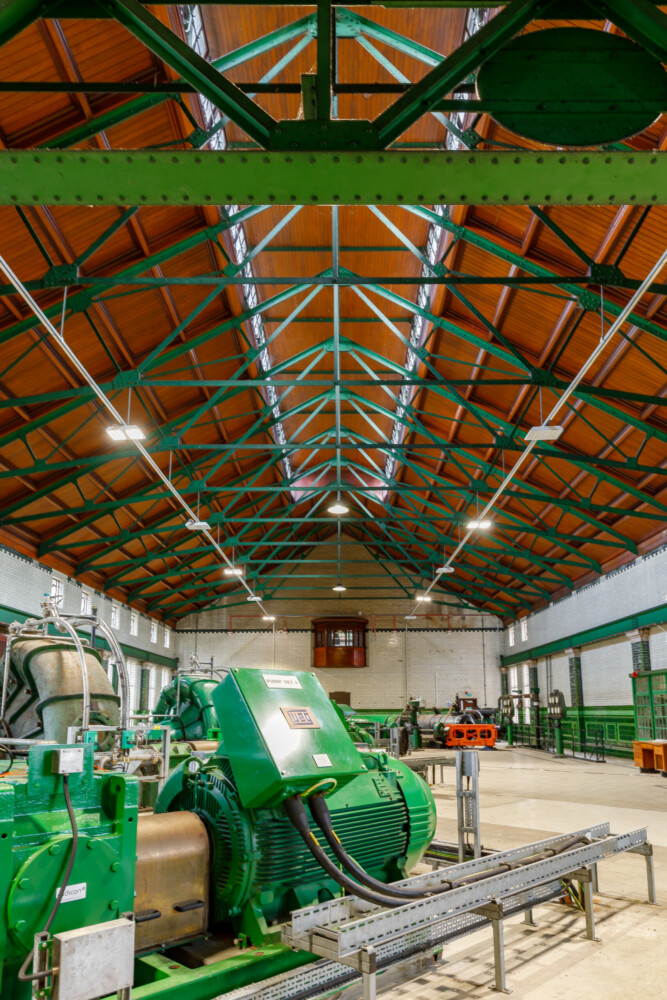
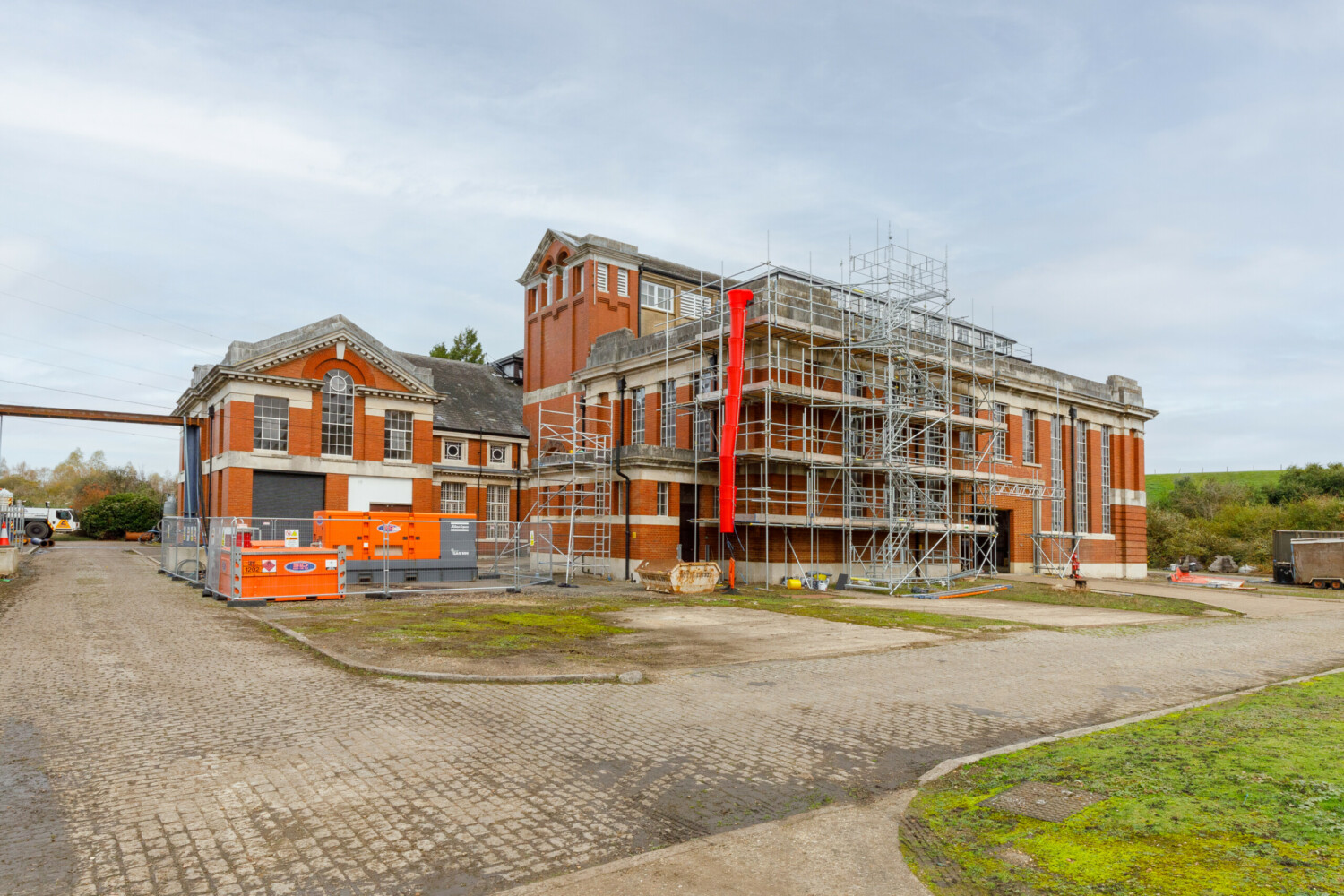
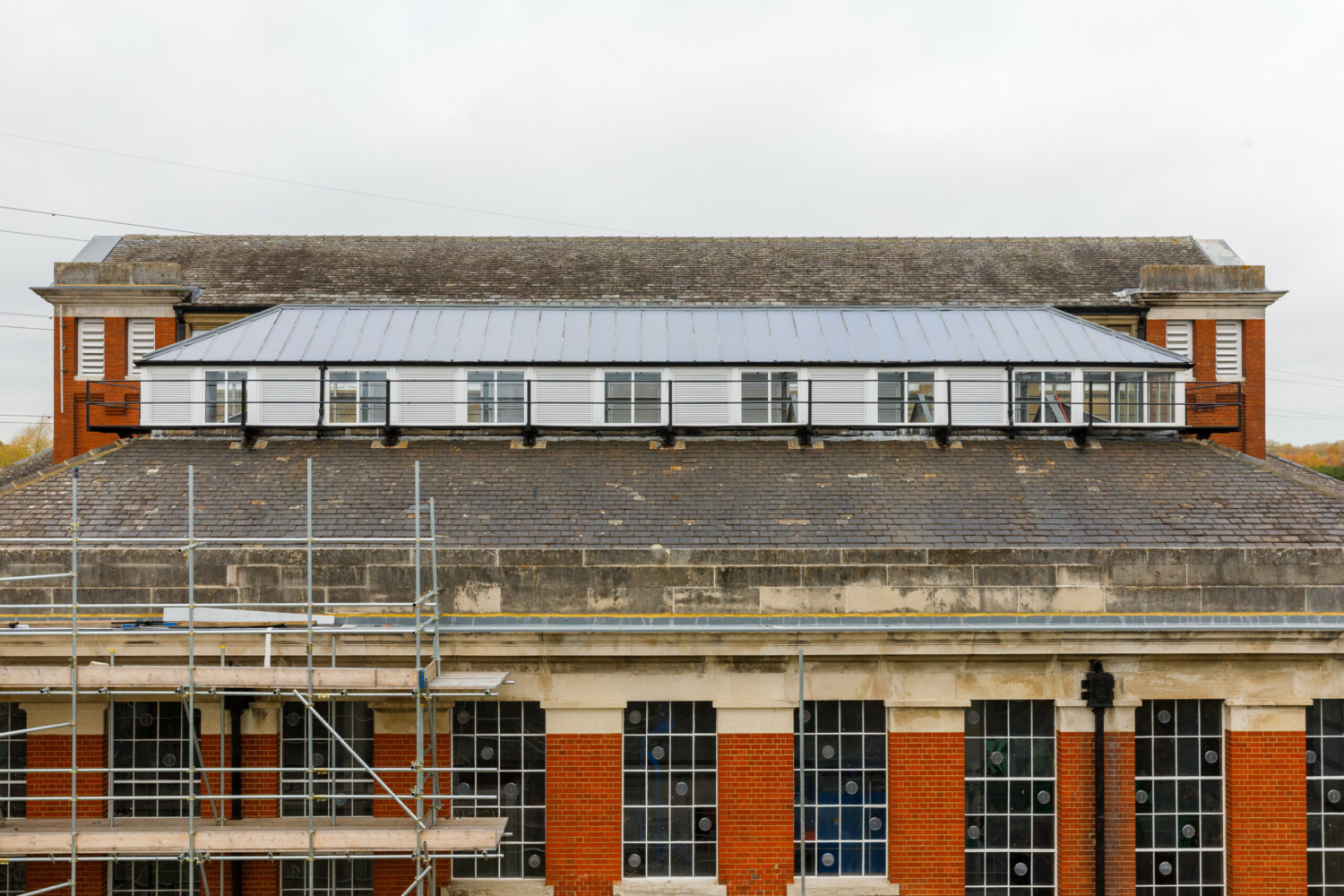
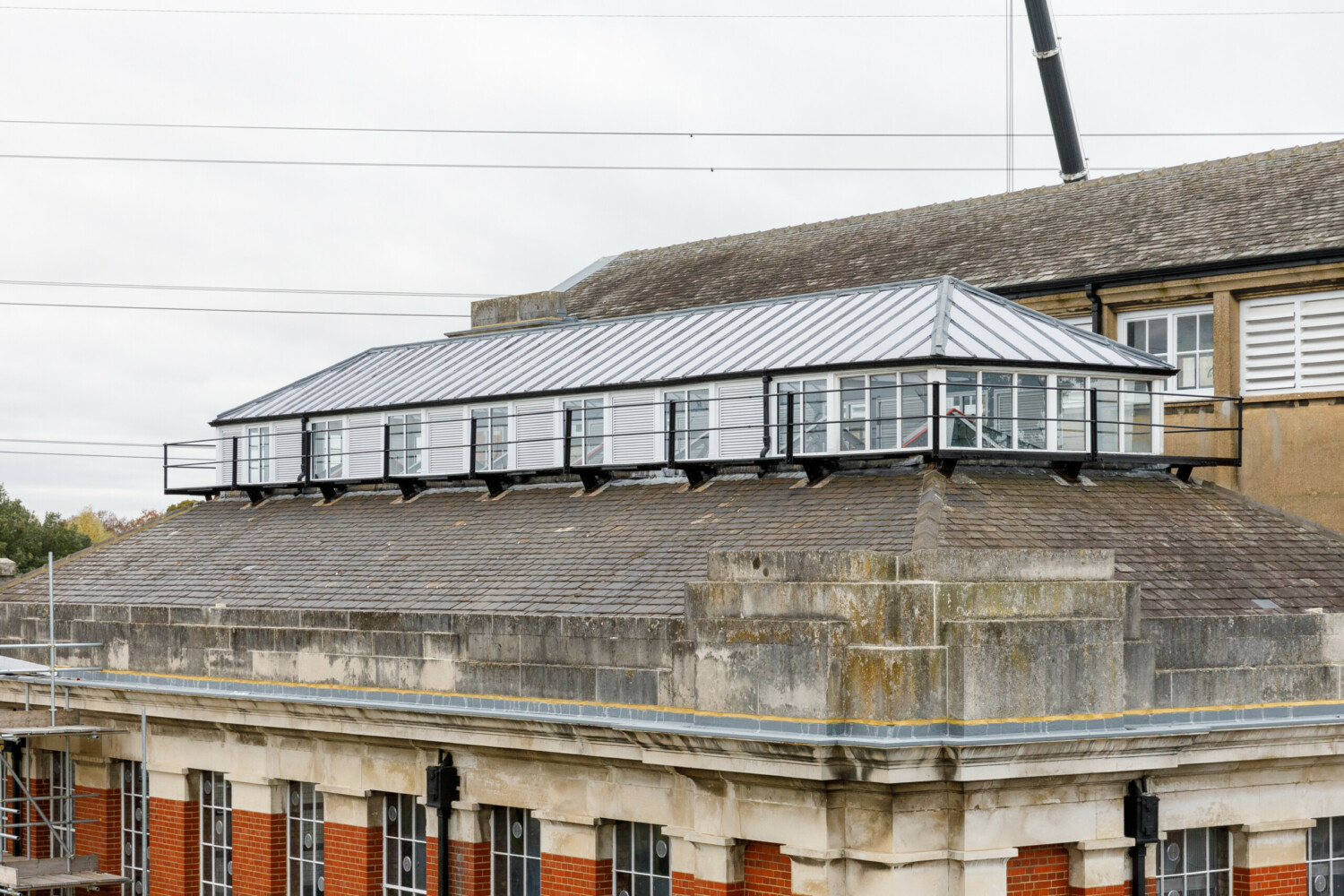
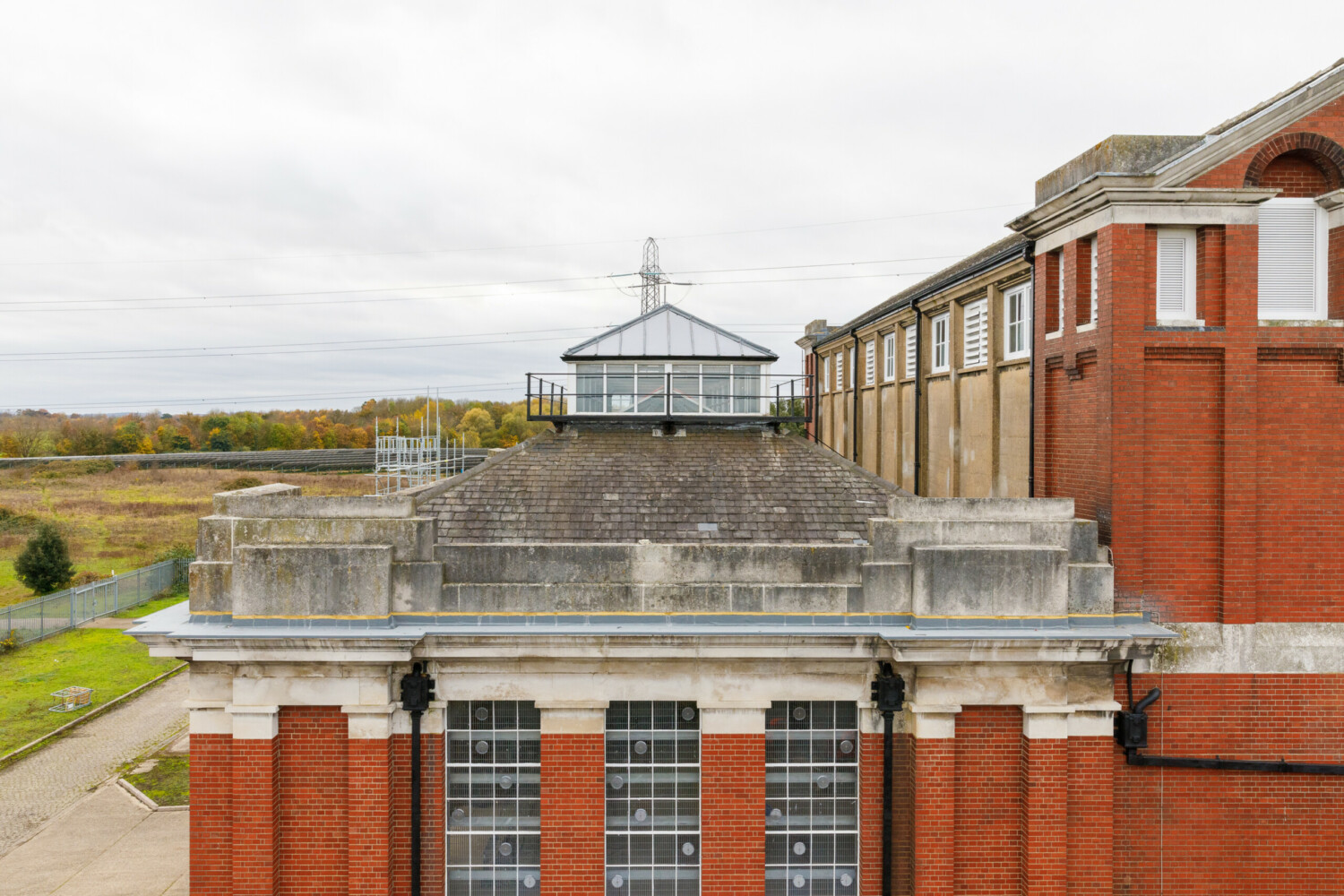
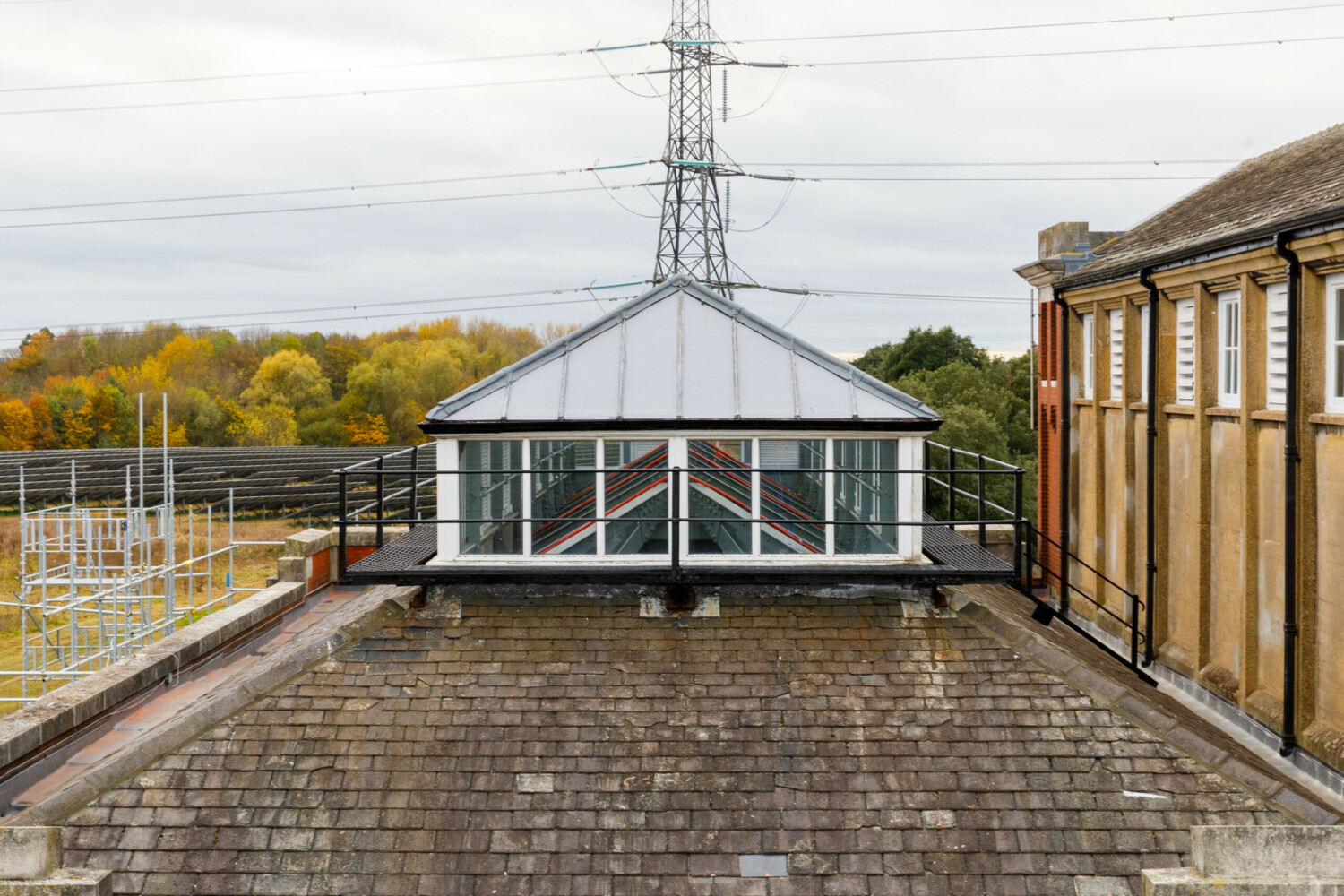
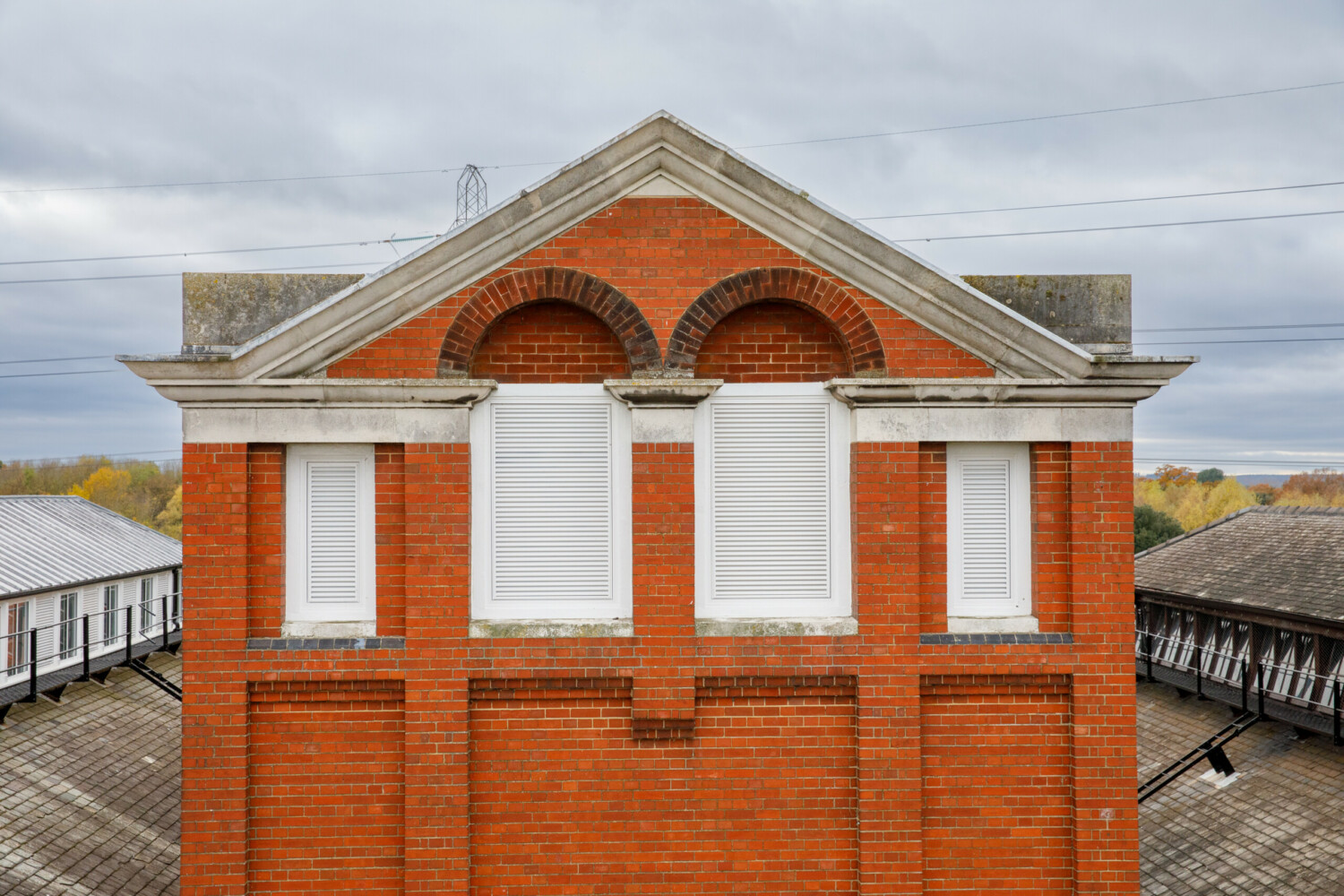
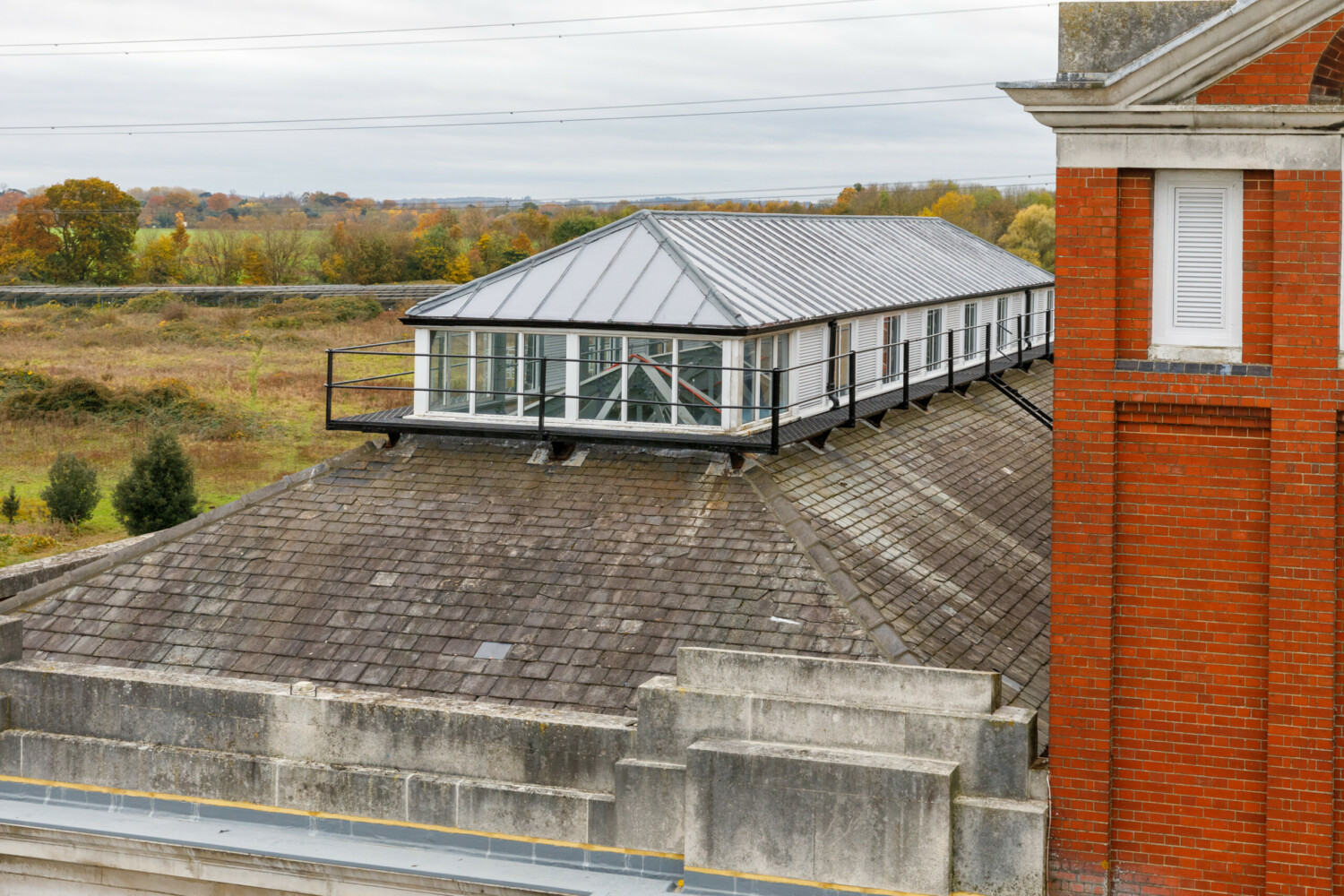
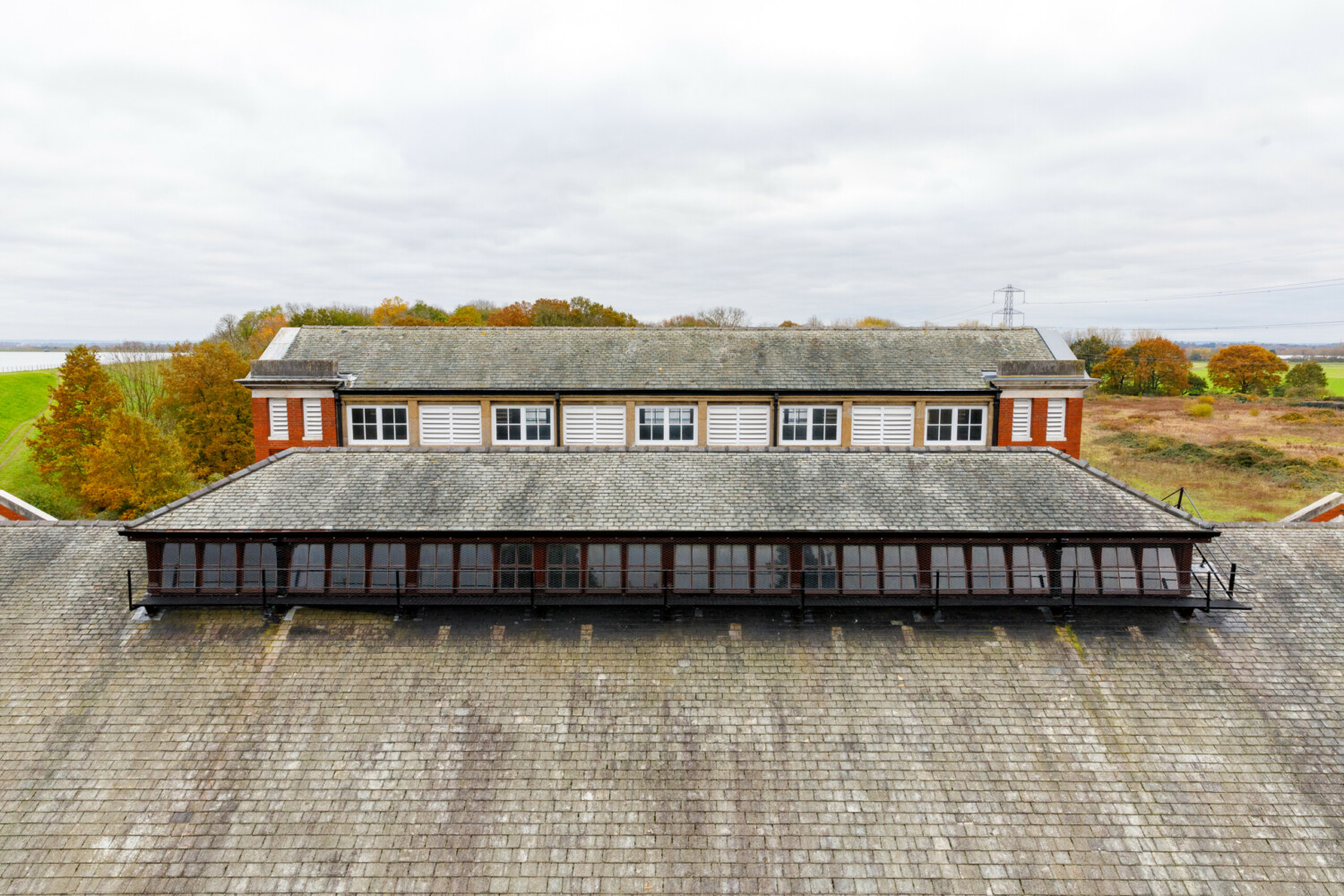
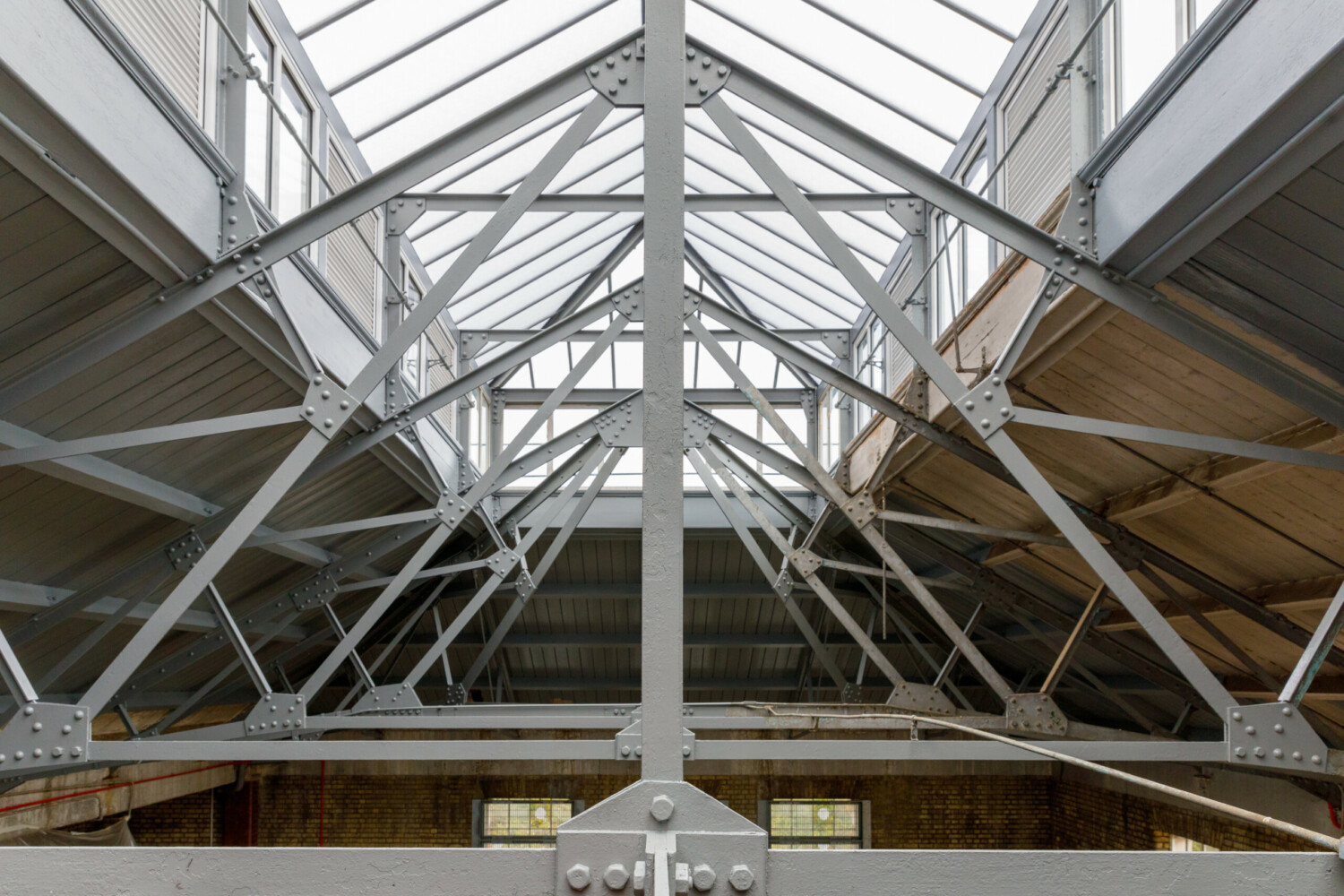
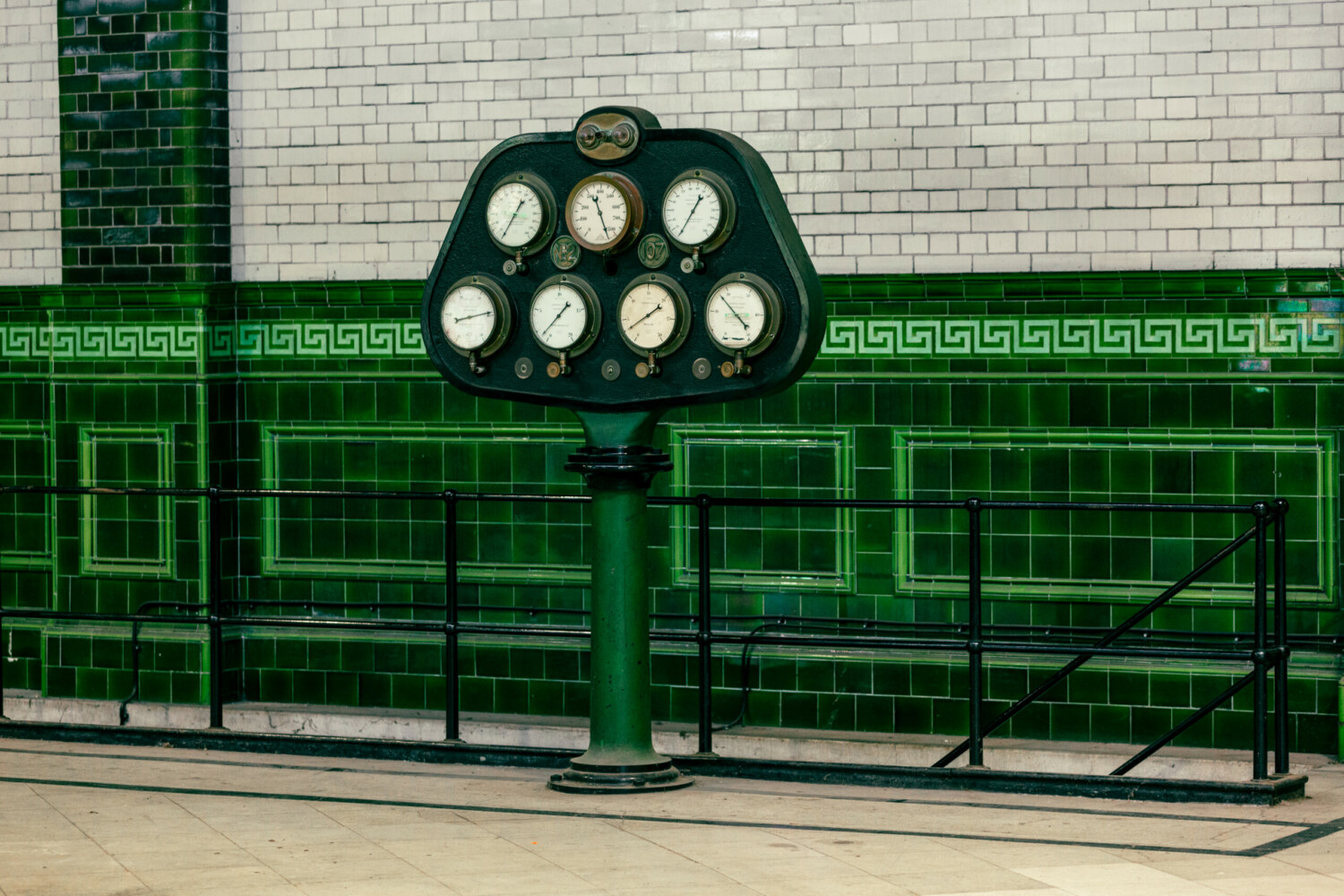
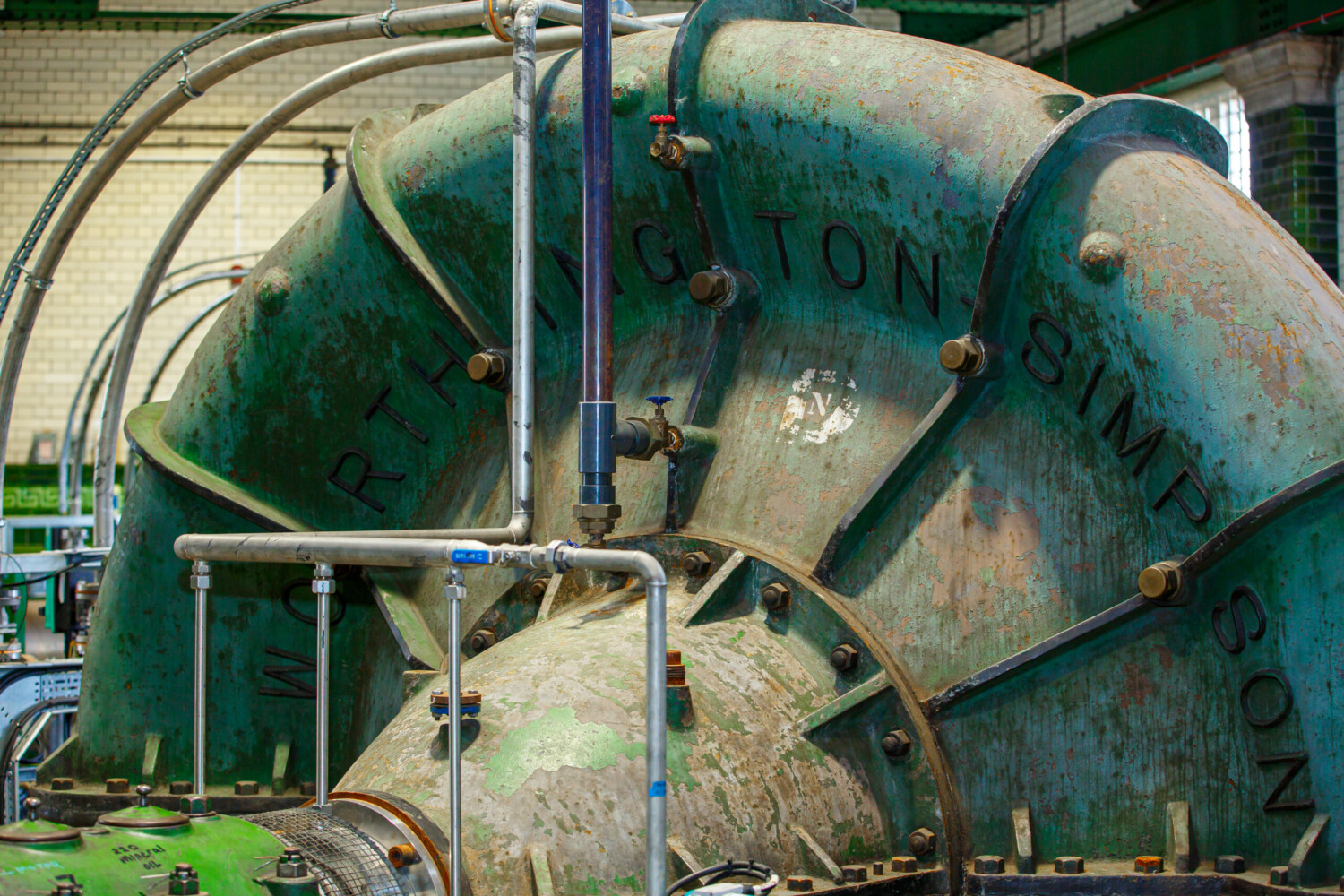
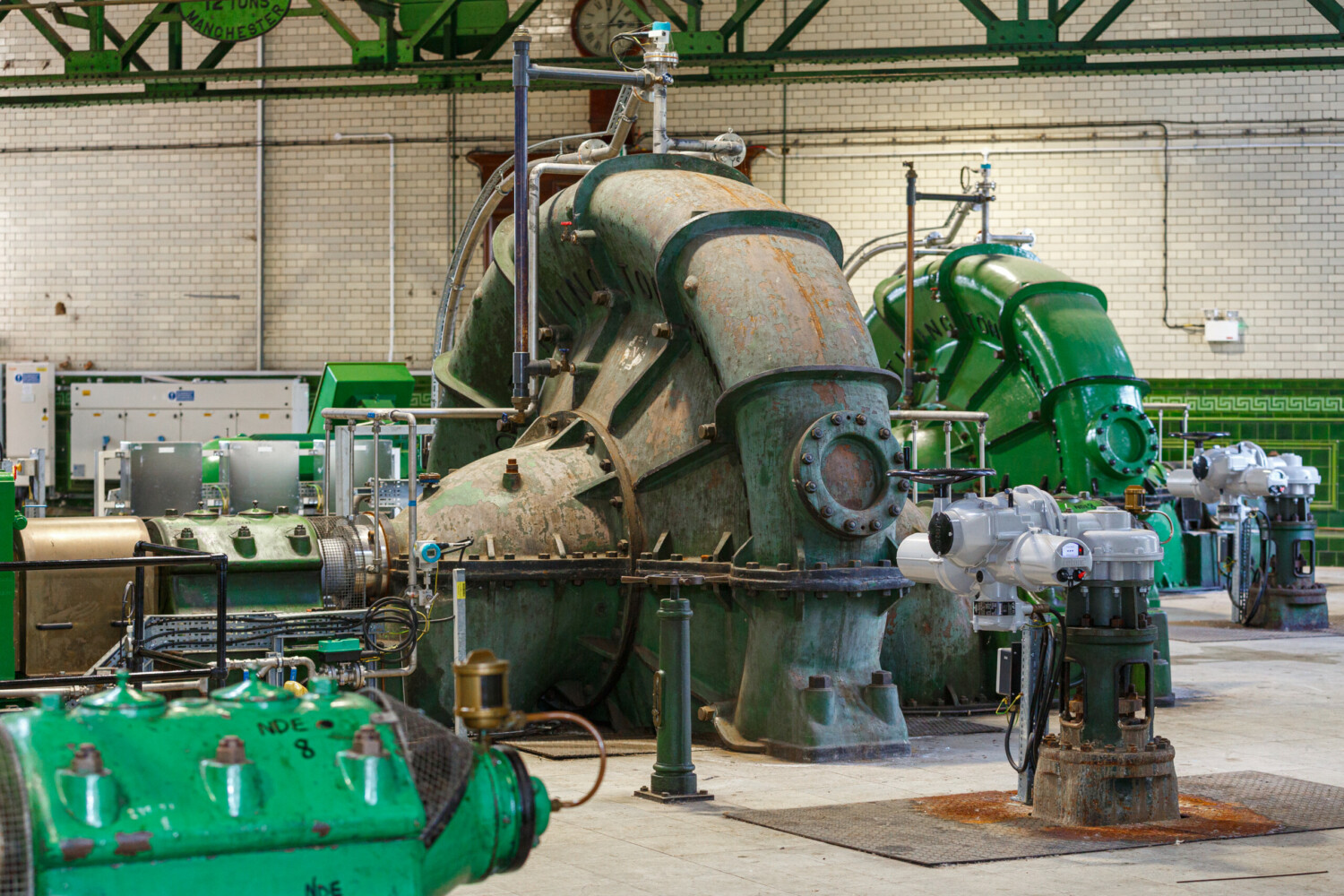
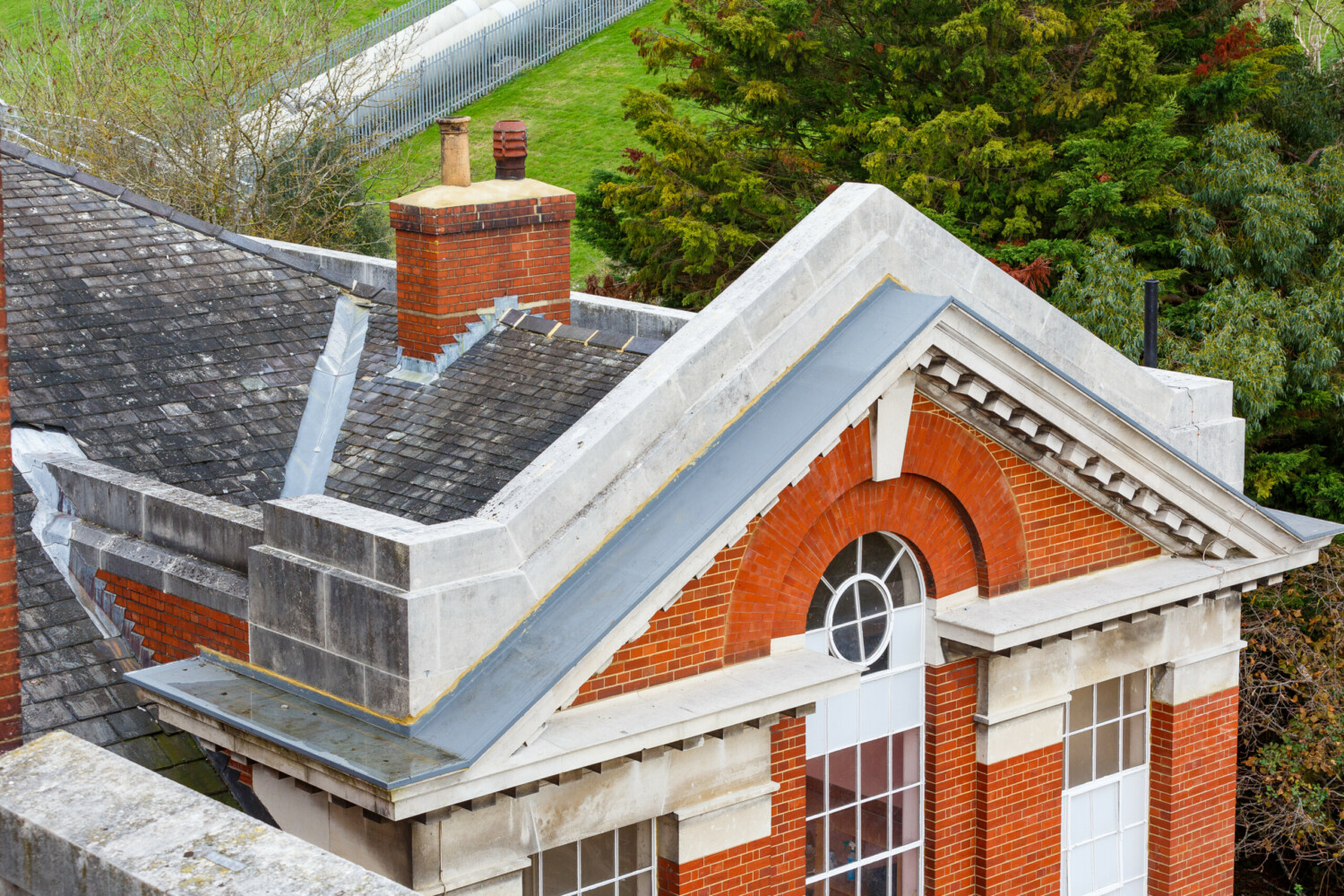
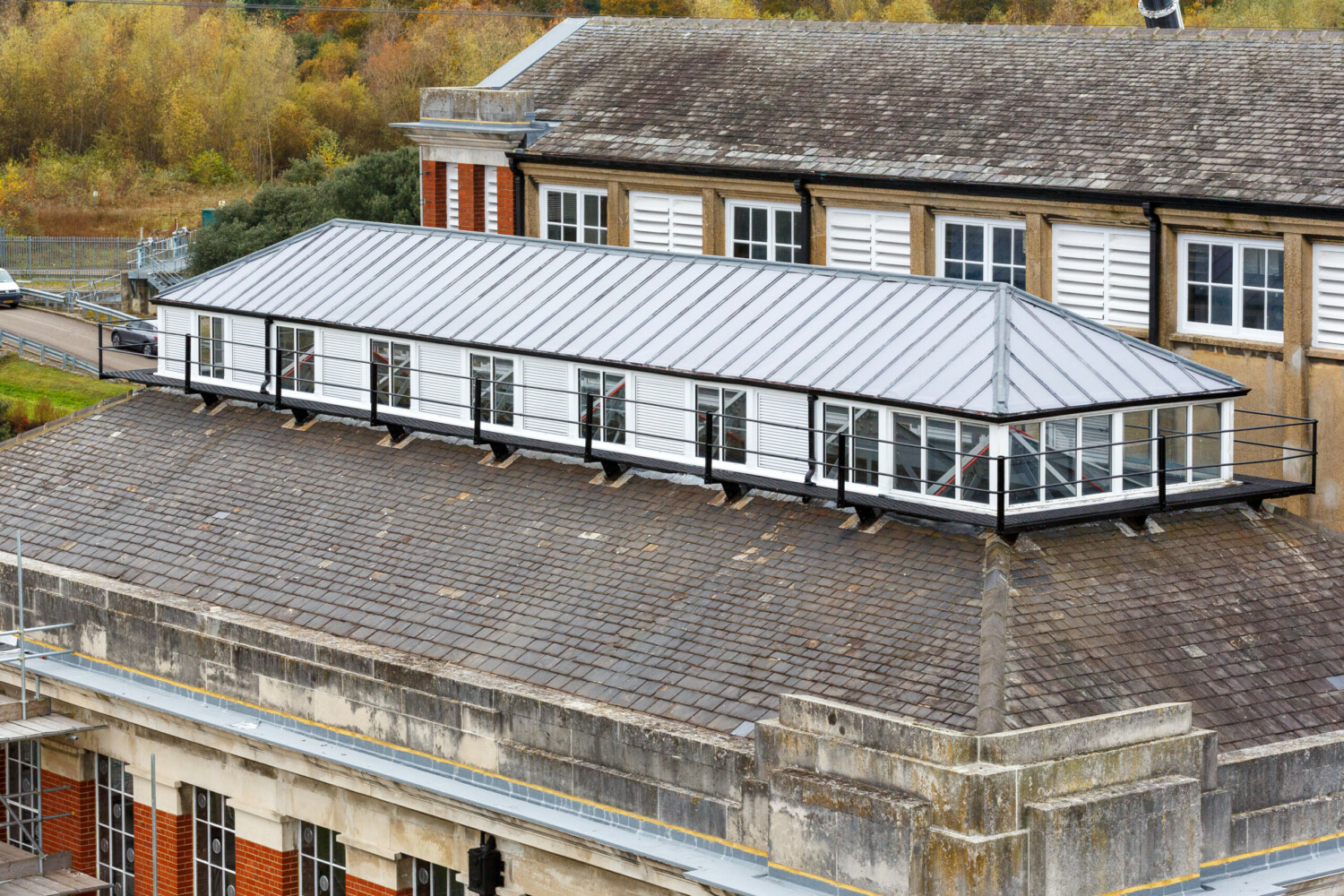
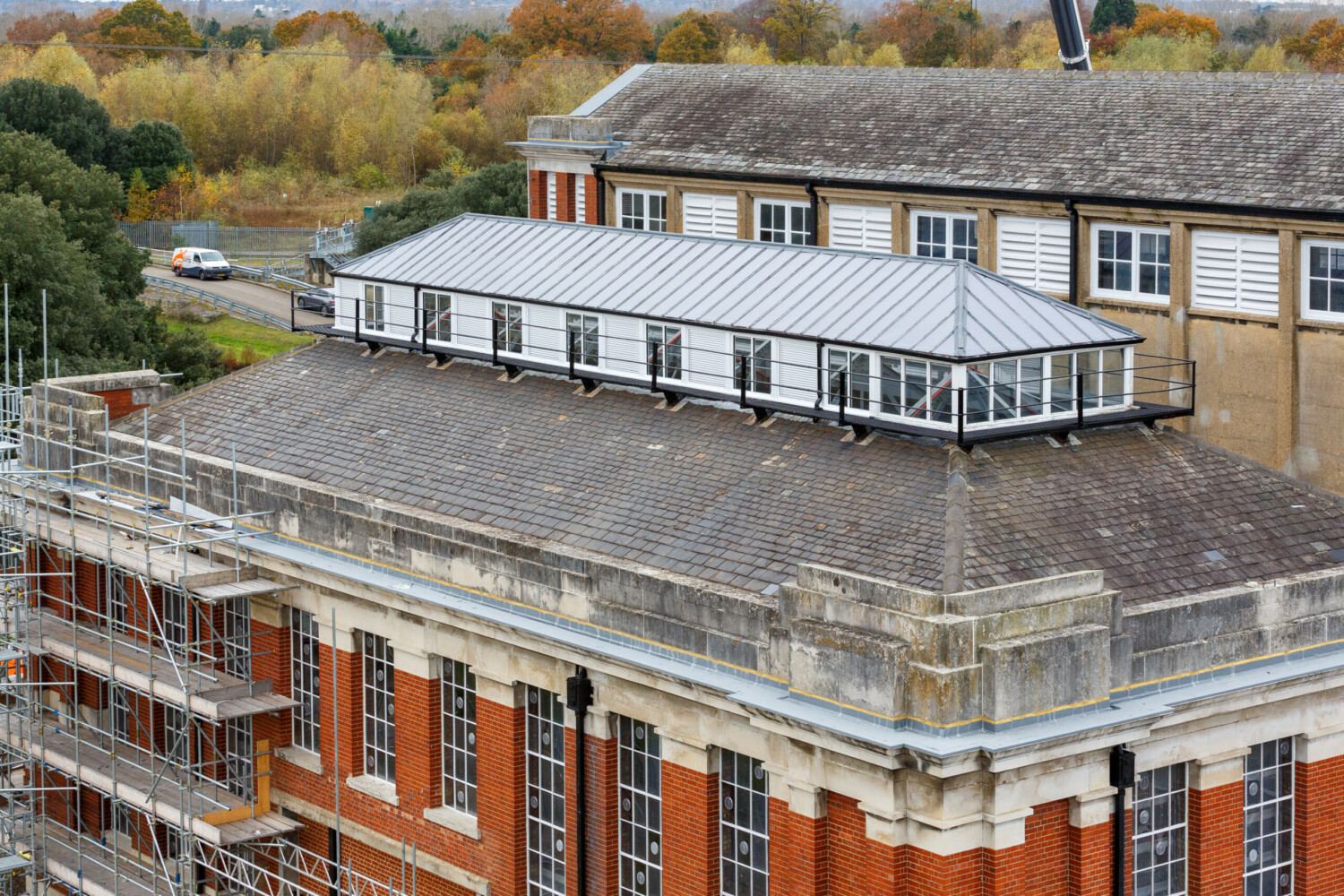
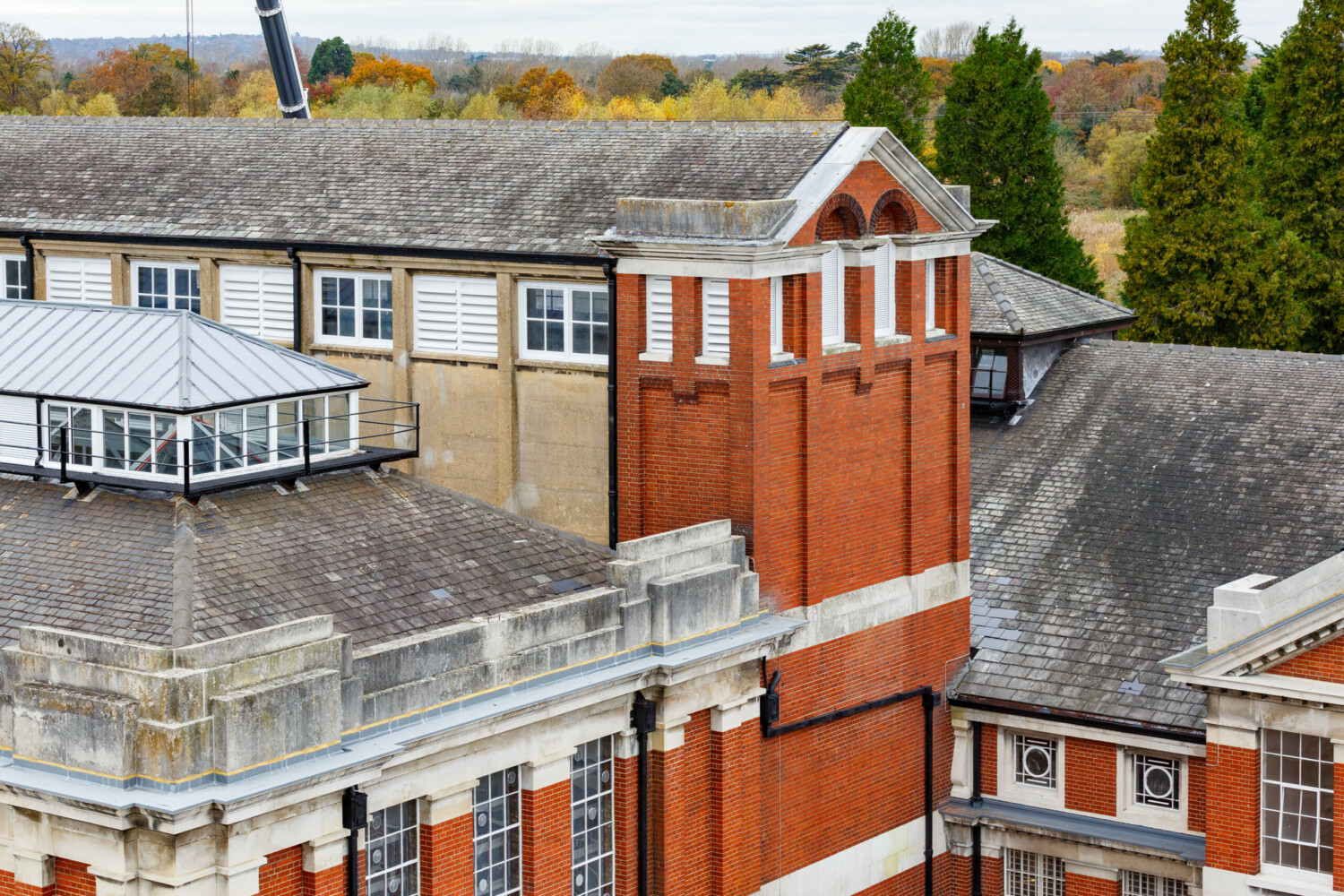
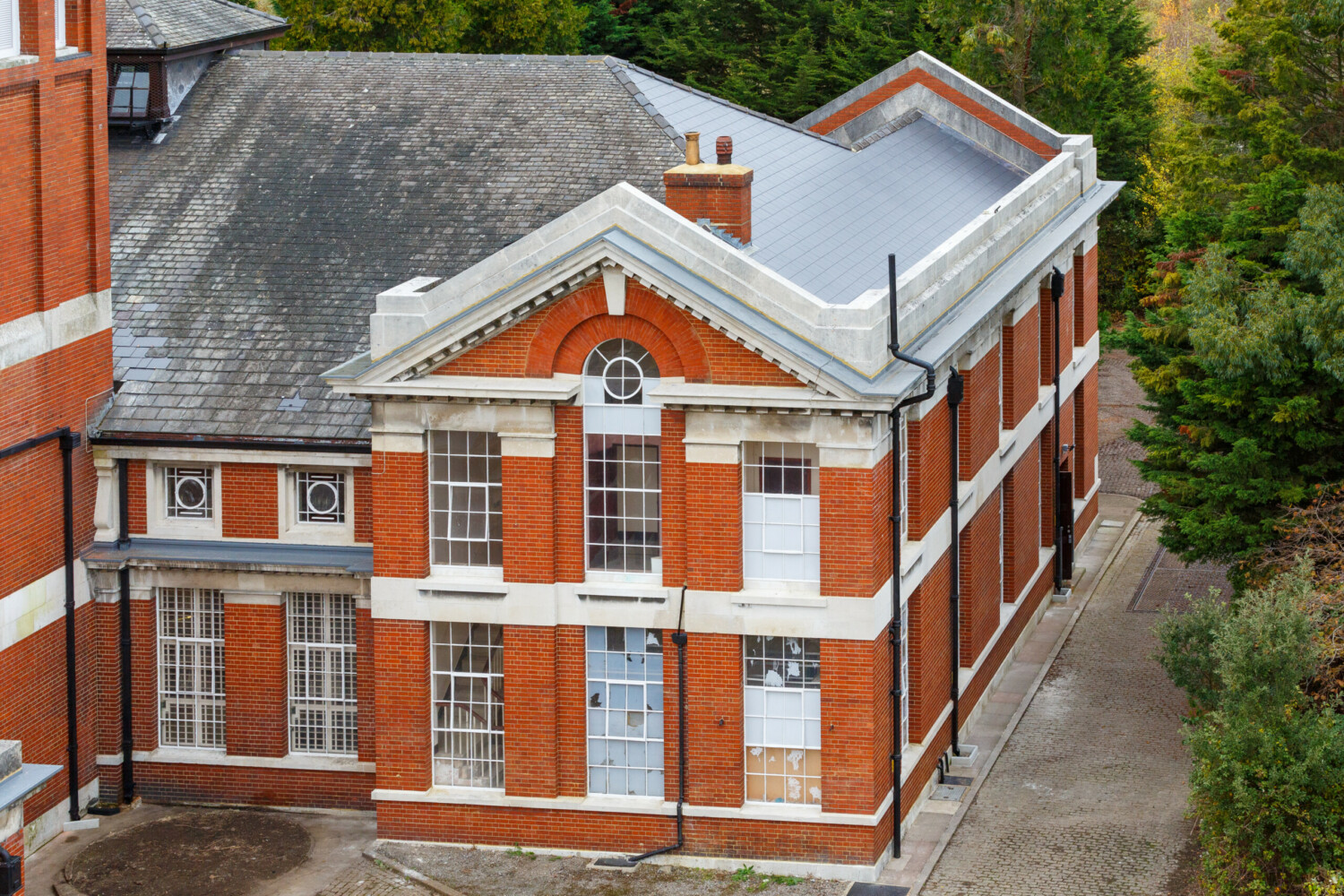
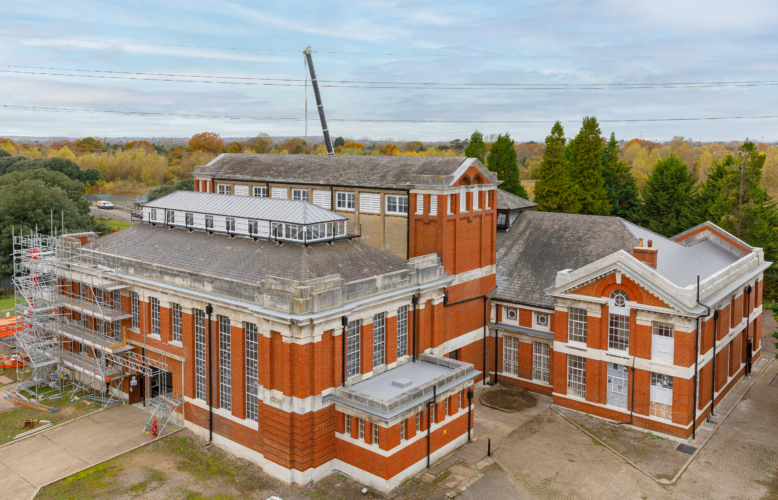
The Littleton Pumping Station is responsible for maintaining the water supply to one of the largest raw water reservoirs in the UK, the Queen Mary Reservoir near Weybridge, providing fresh water to London and some neighbouring counties. It covers 707 acres and lies 13m above the surrounding area. Built between 1923 and 1925, the station preserves much of its original character, with features such as the mahogany lining the pitched roof, raised lanterns and Doric columns supporting the central pedimented portico still in place. One of the originally installed pumps is also still in use today!
To maintain the building’s grandeur, and to keep it fully operational, HBS were appointed to carry out an extensive, £1m programme of restoration to both external and internal areas of the building. The work forms part of a Framework Agreement with long-standing client Thames Water.
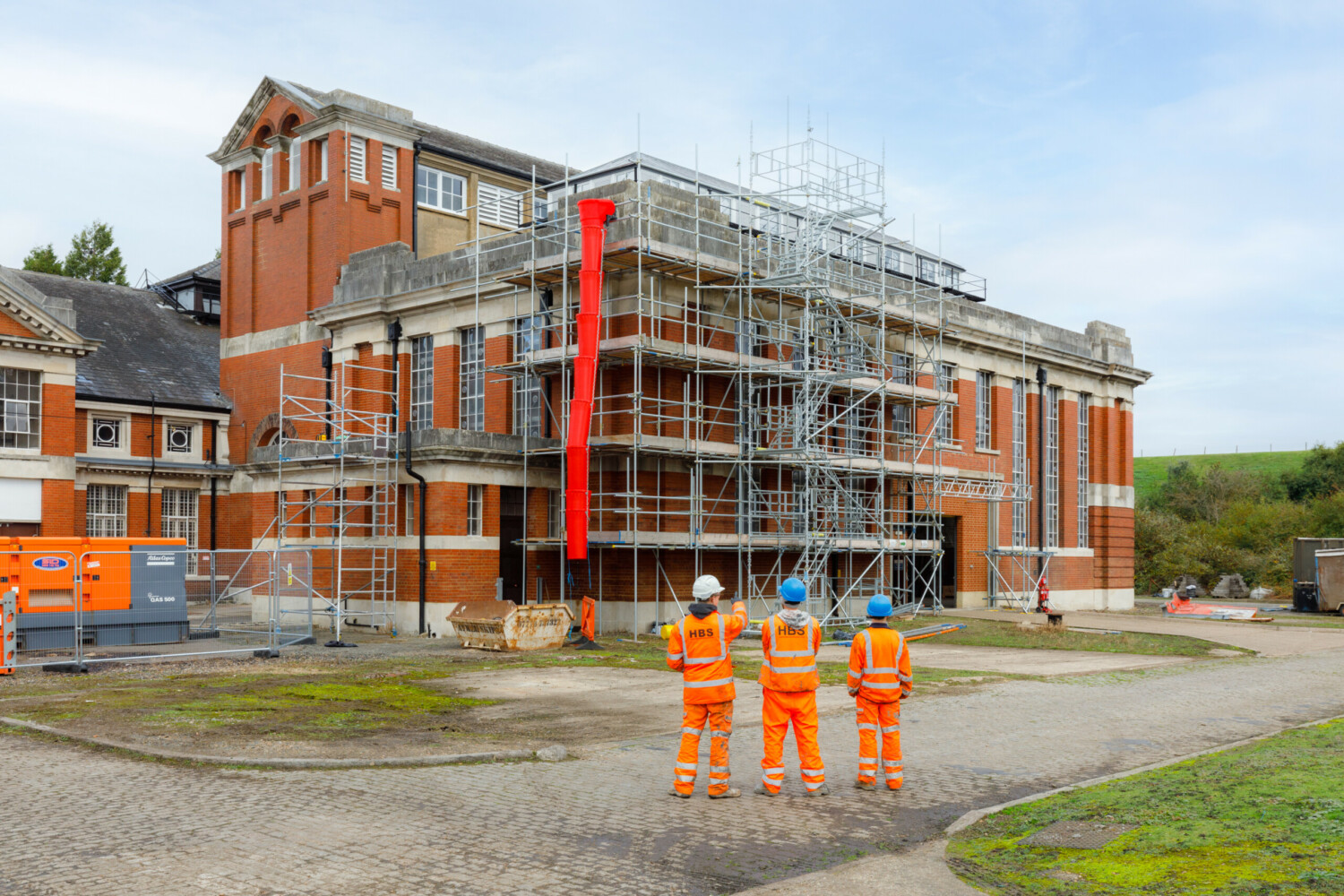
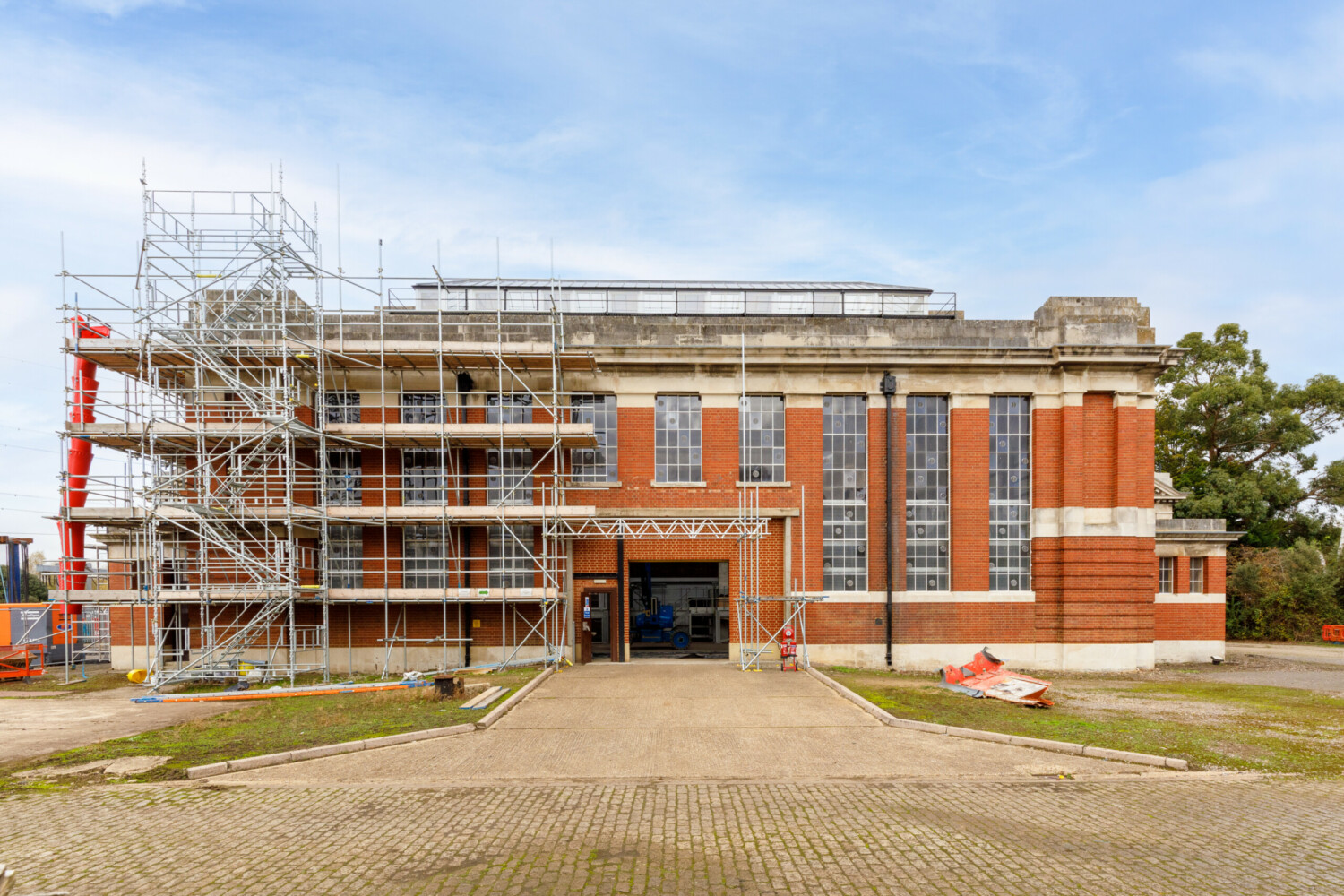
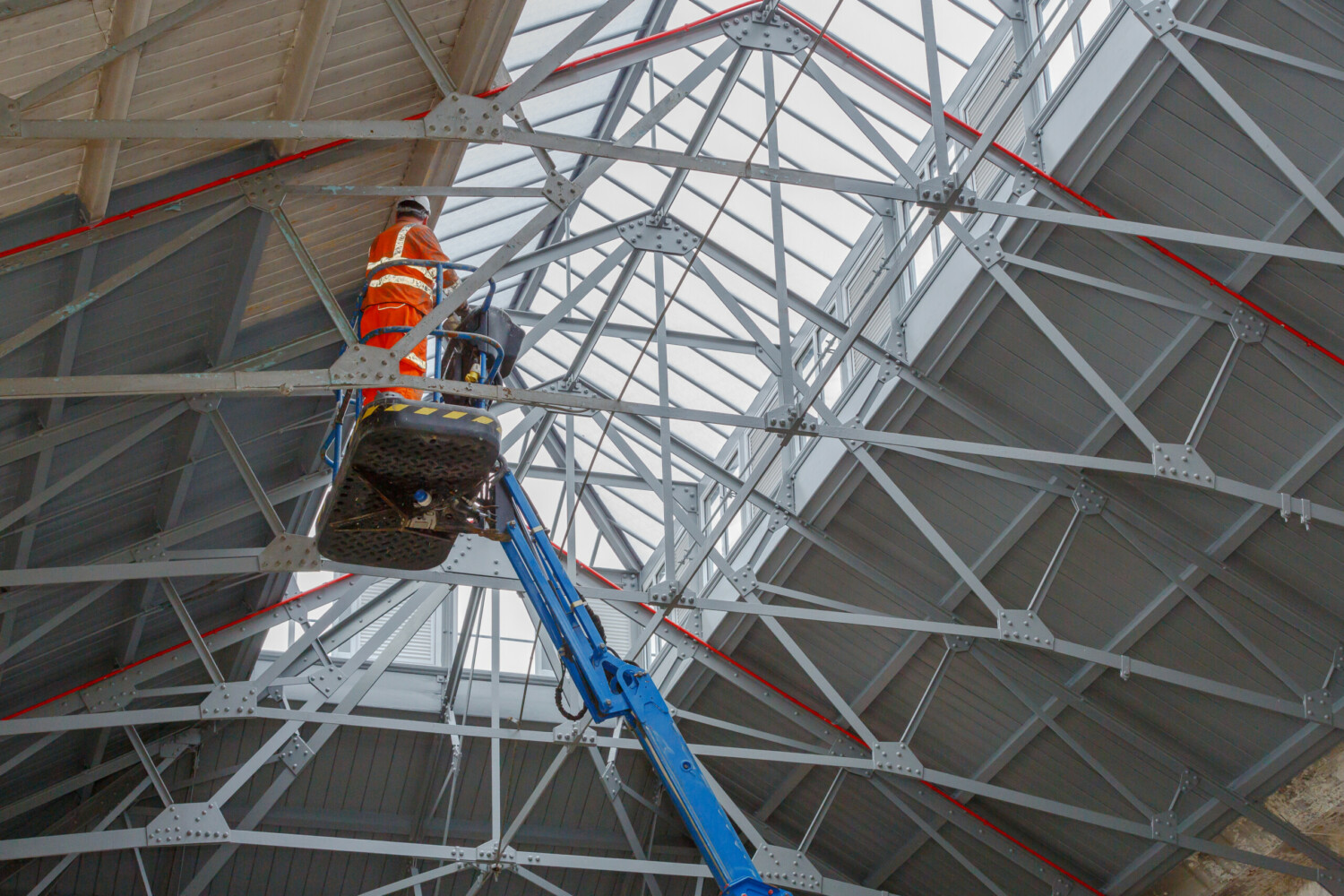
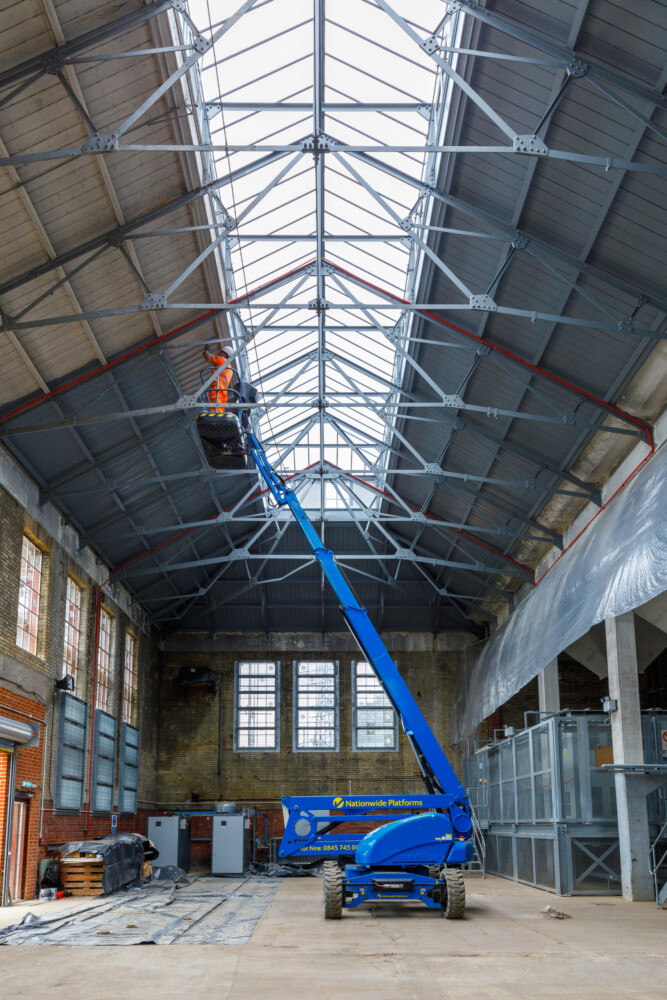
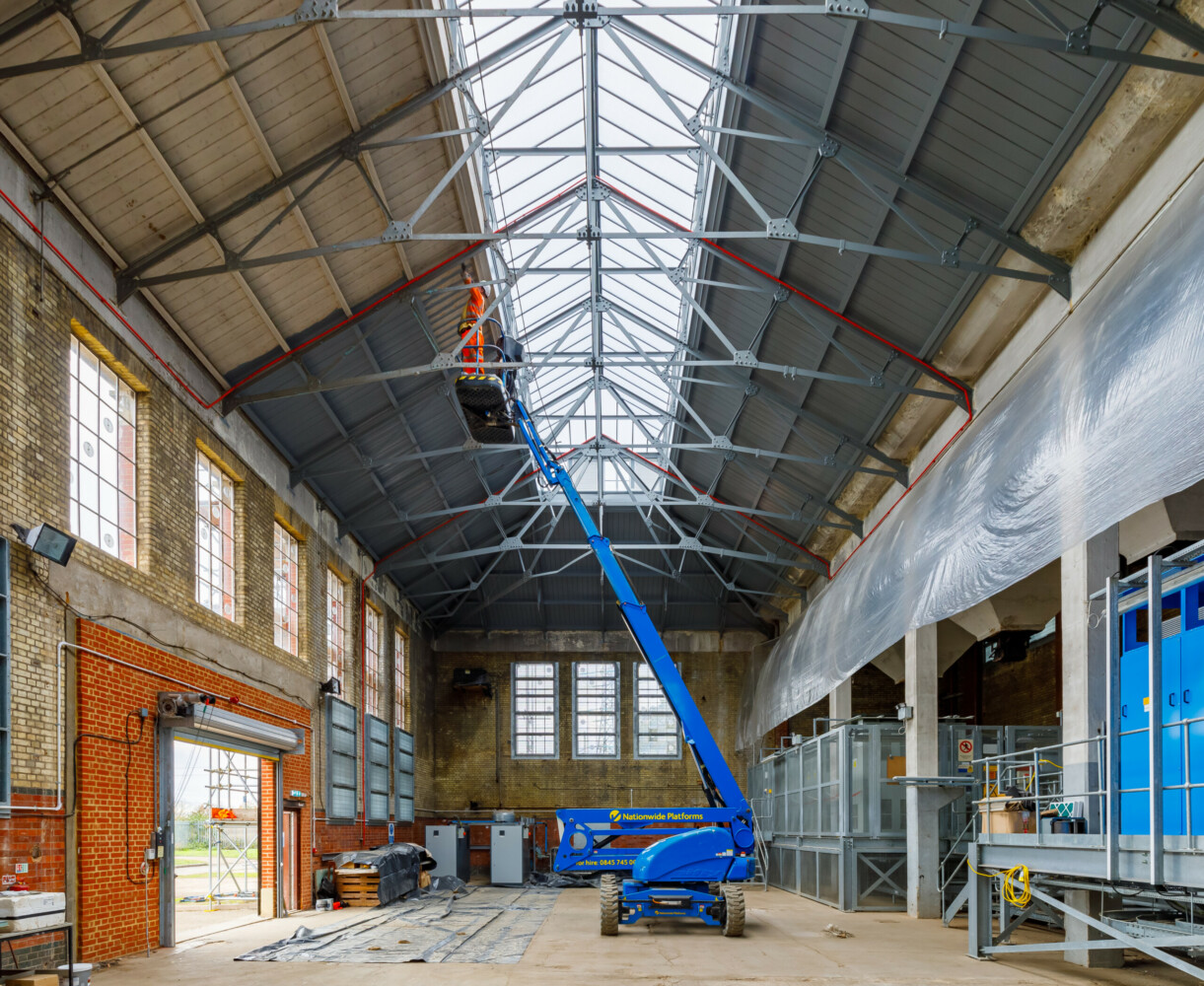
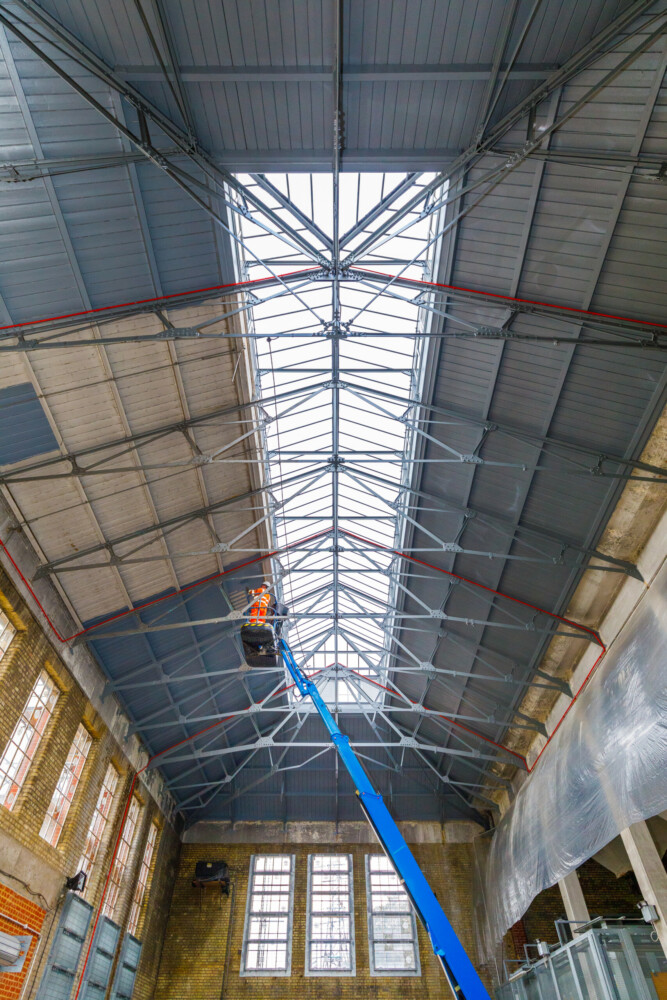
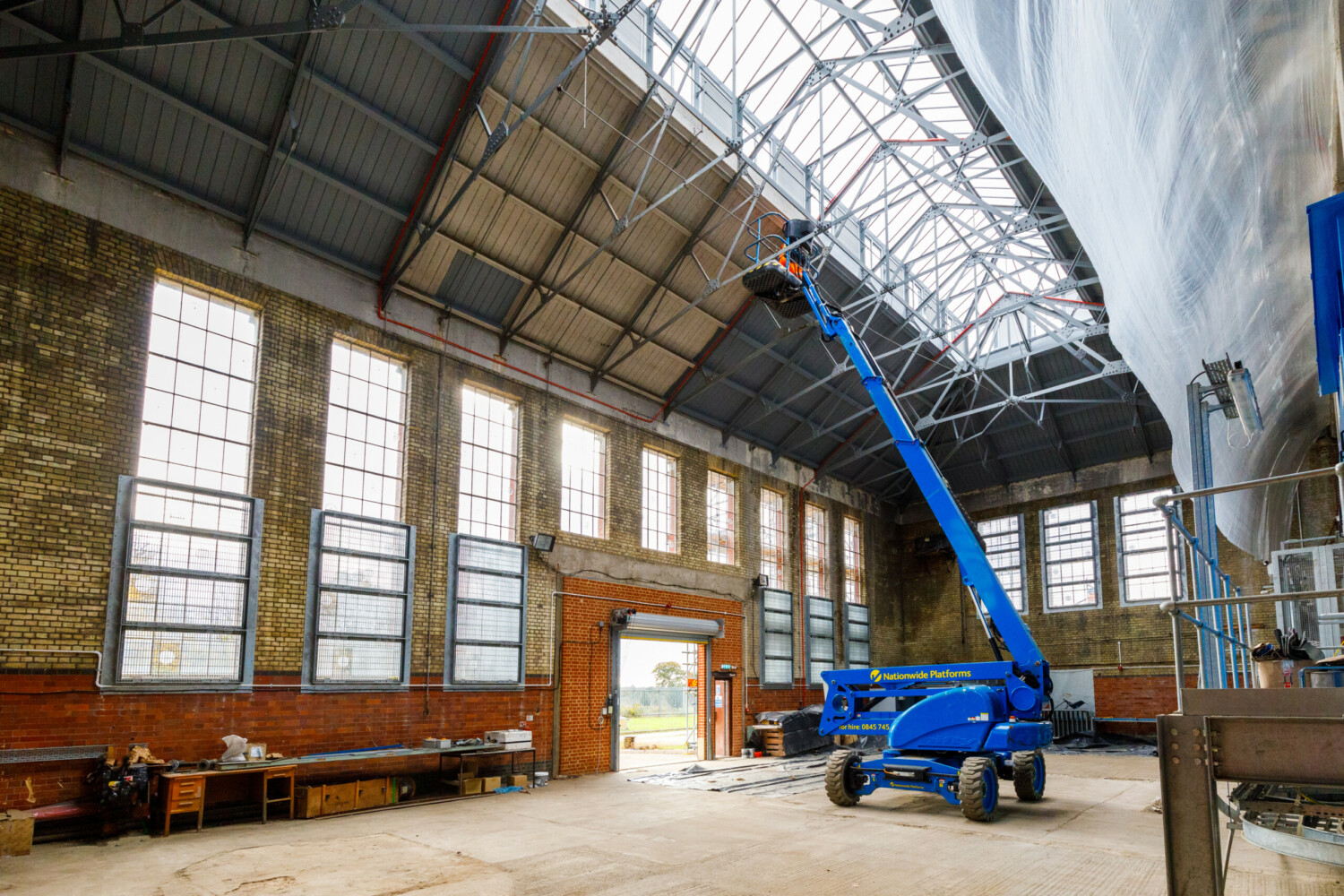
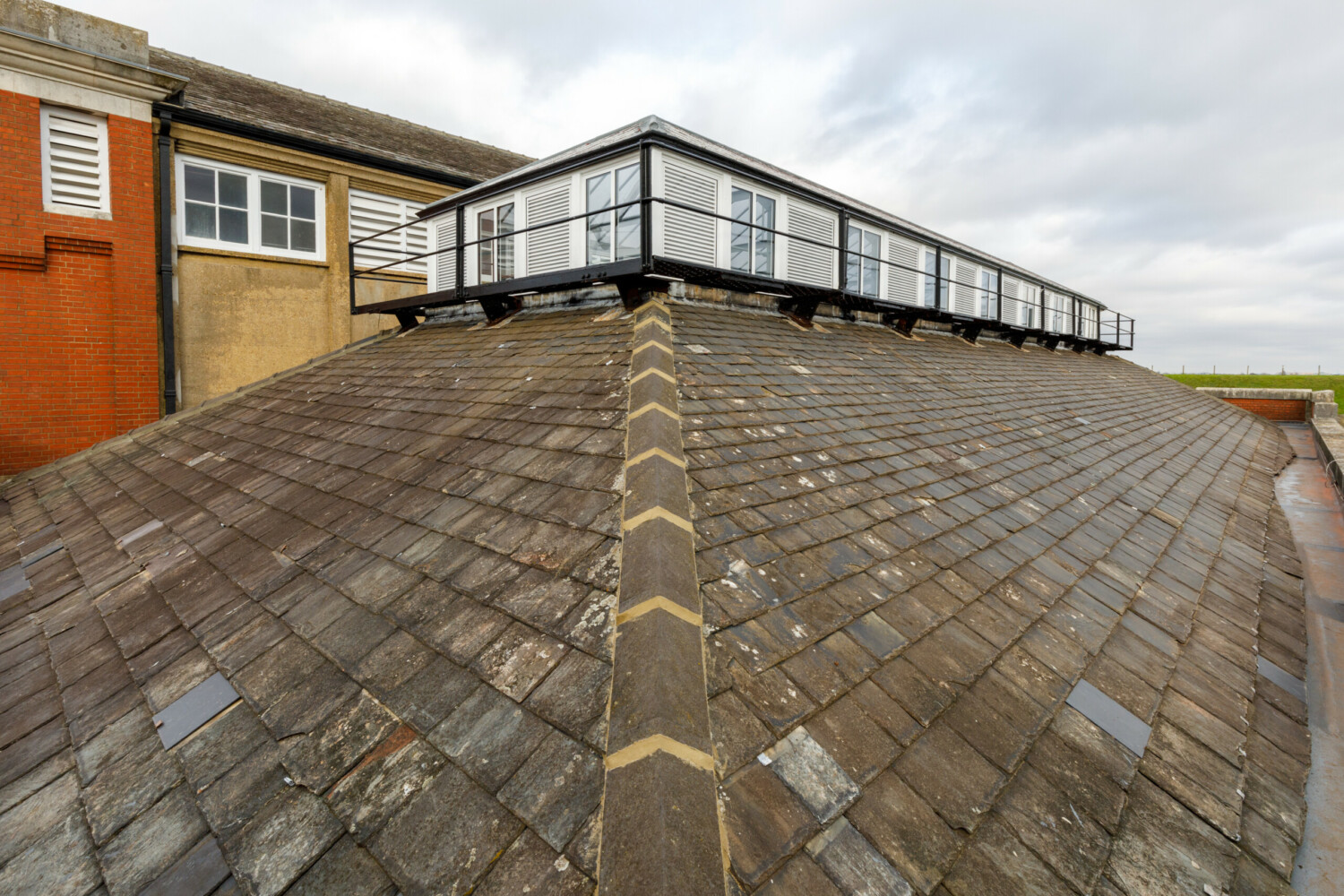
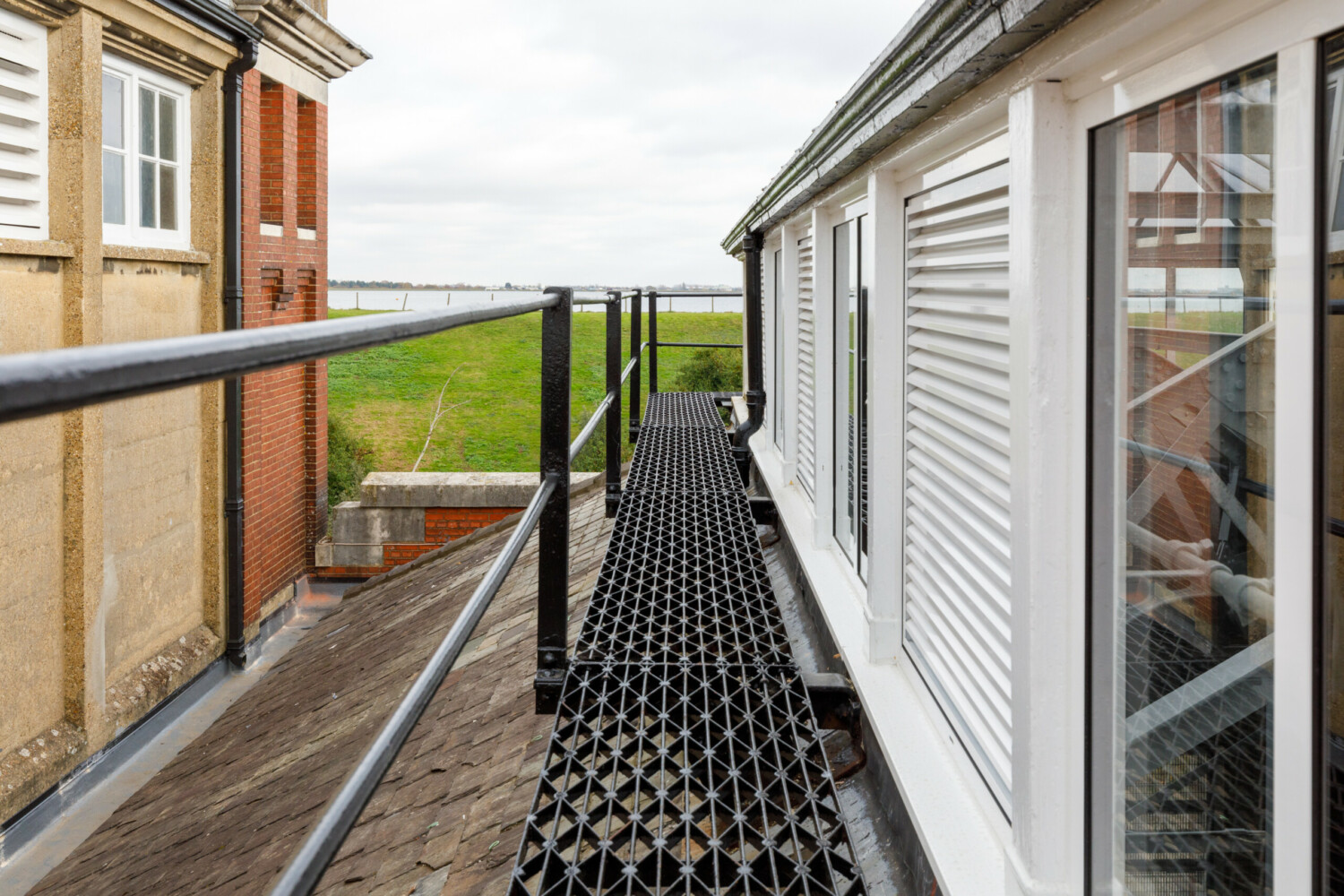
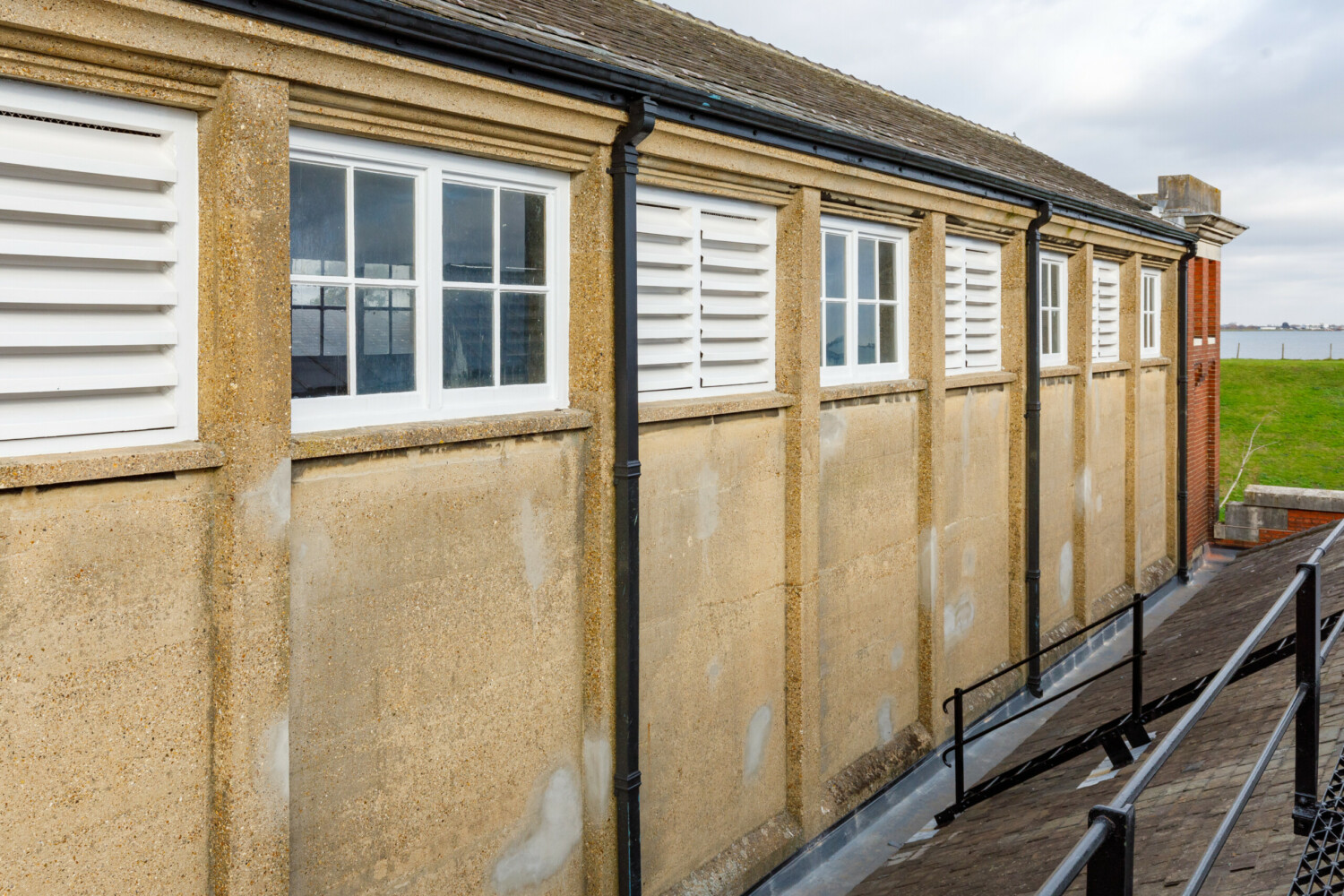
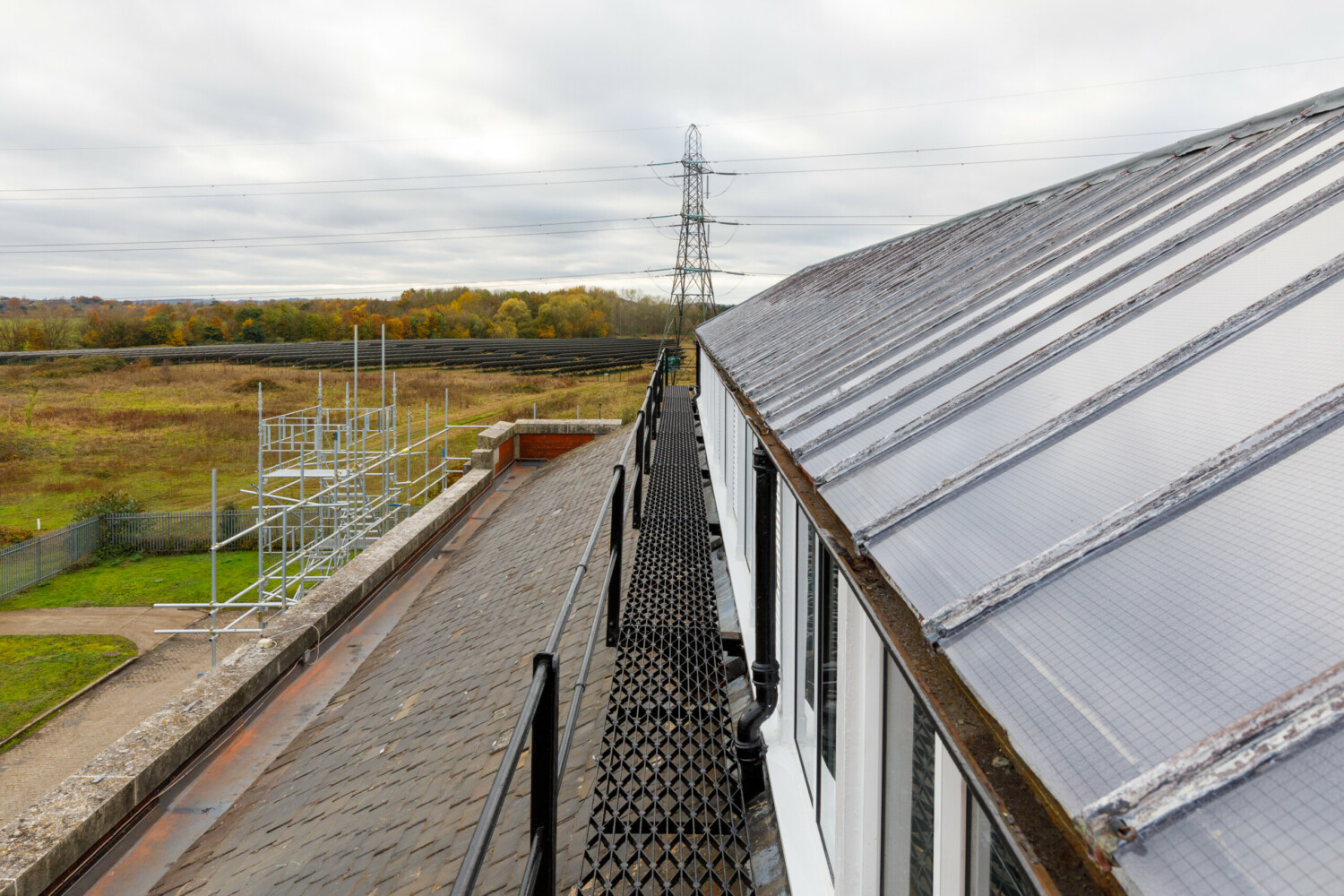
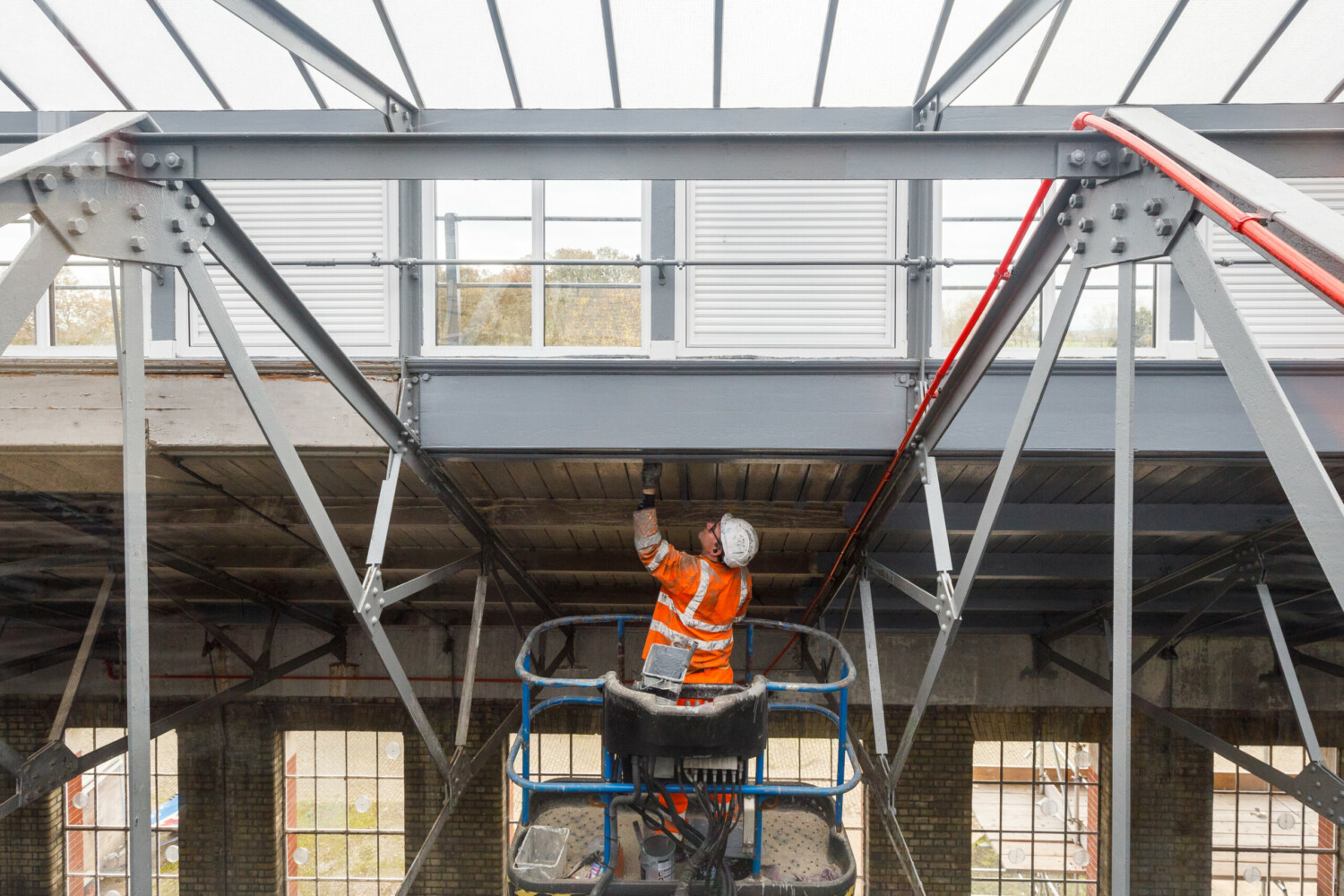
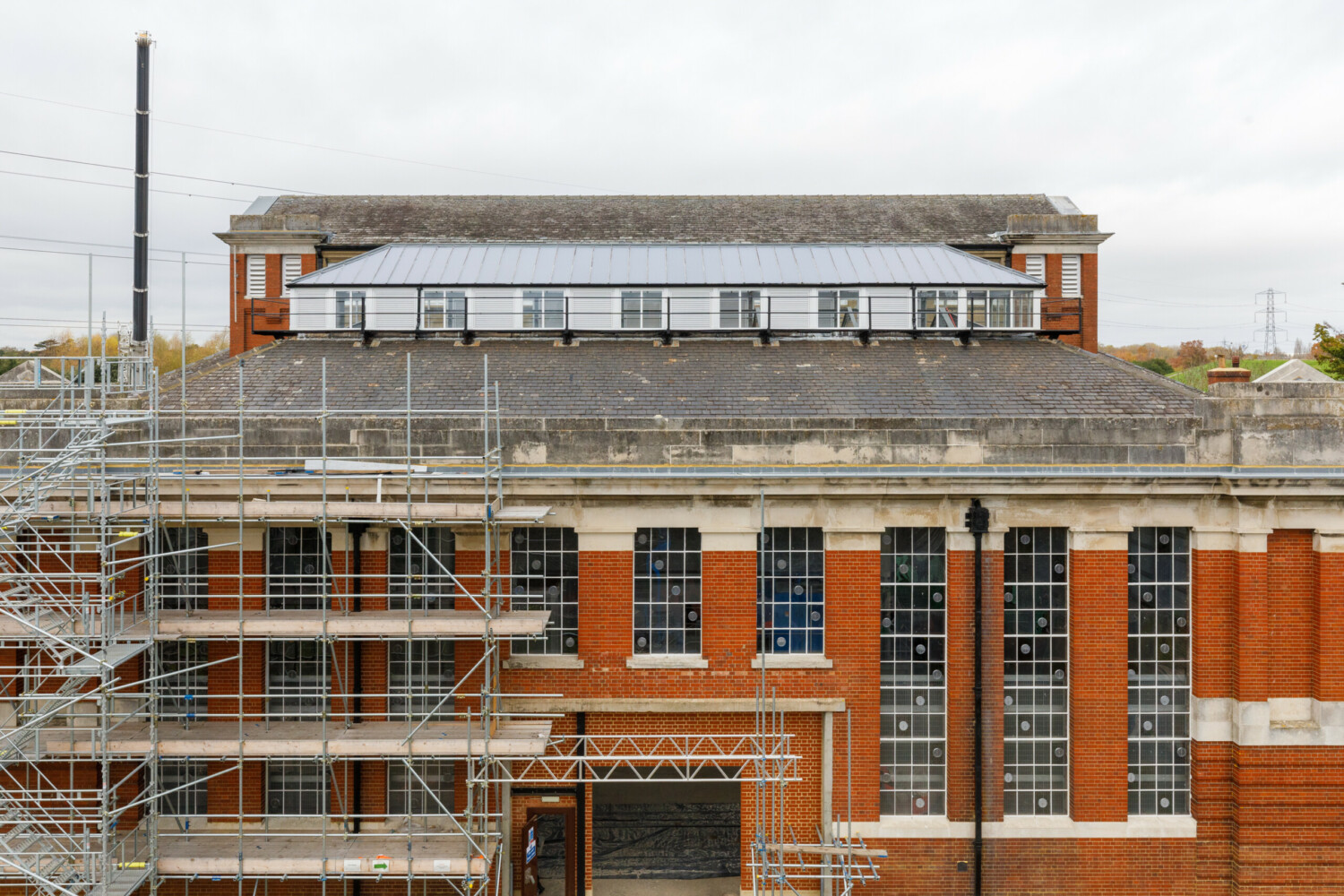
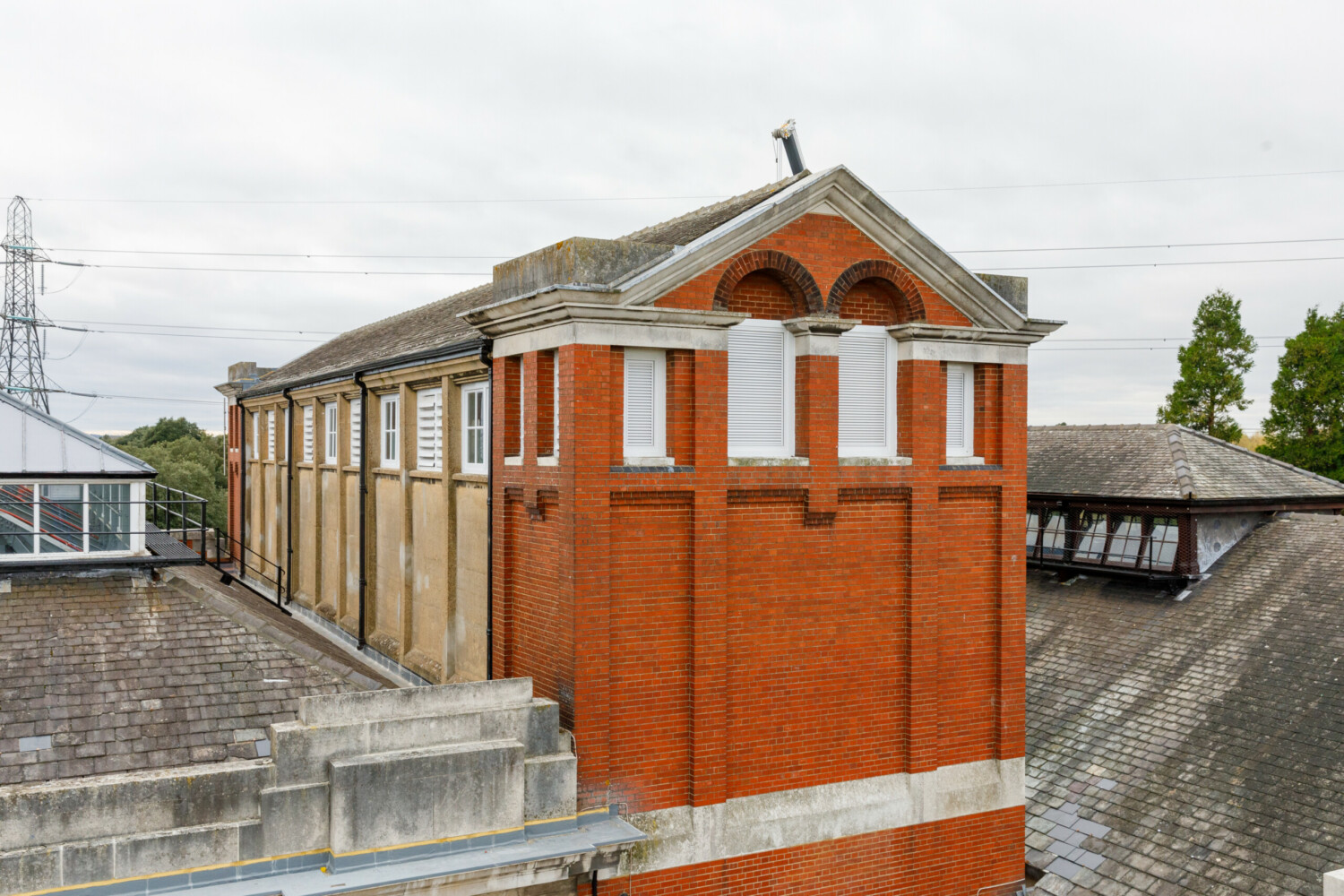
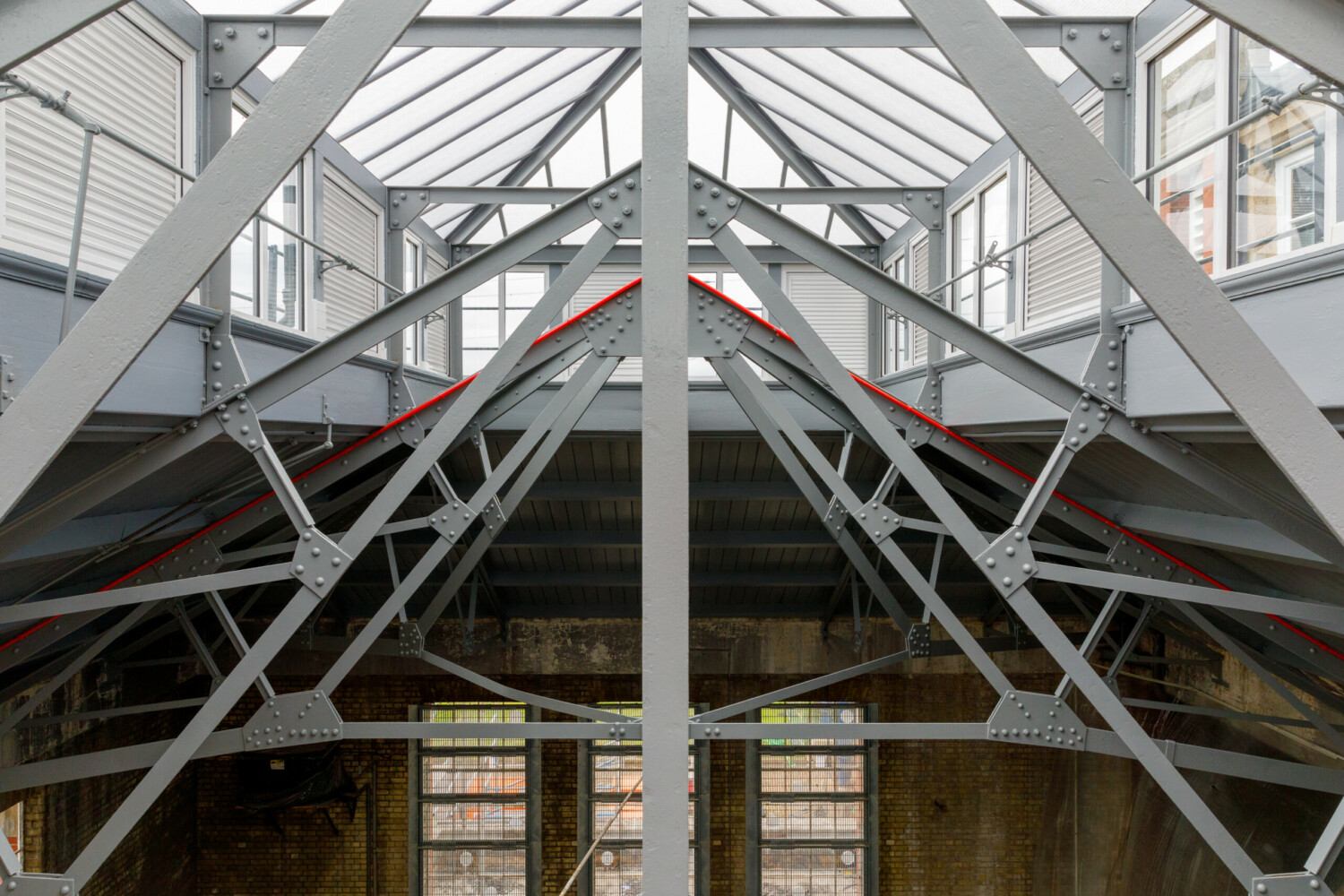
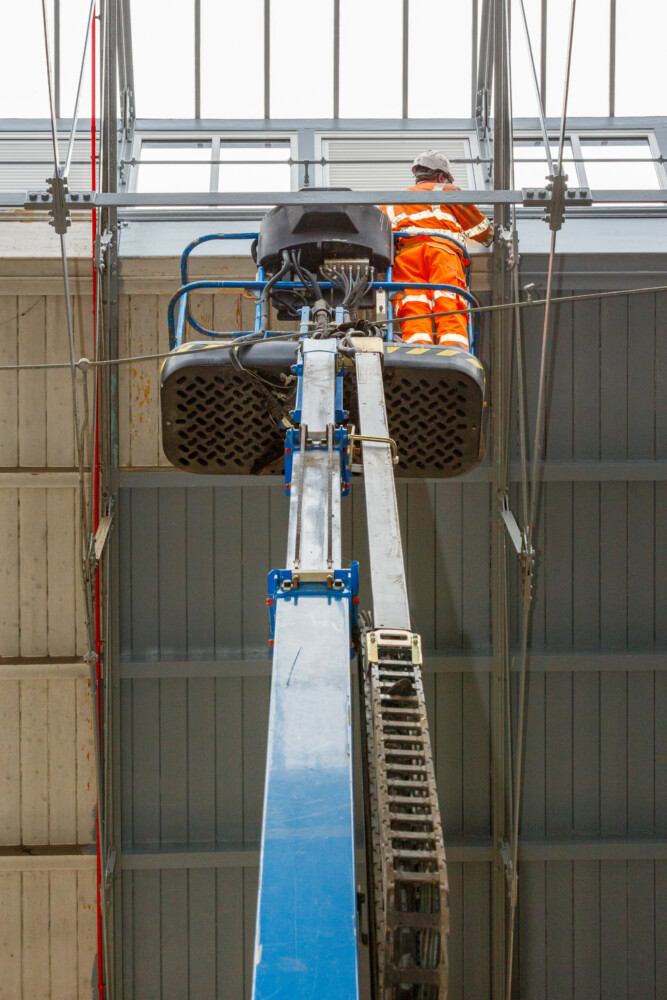
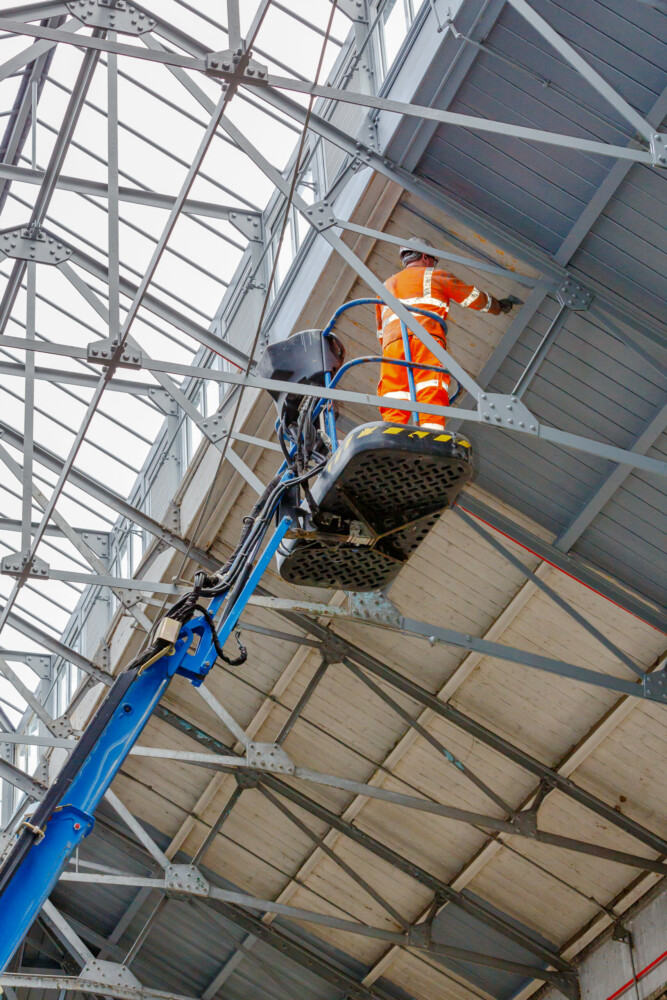
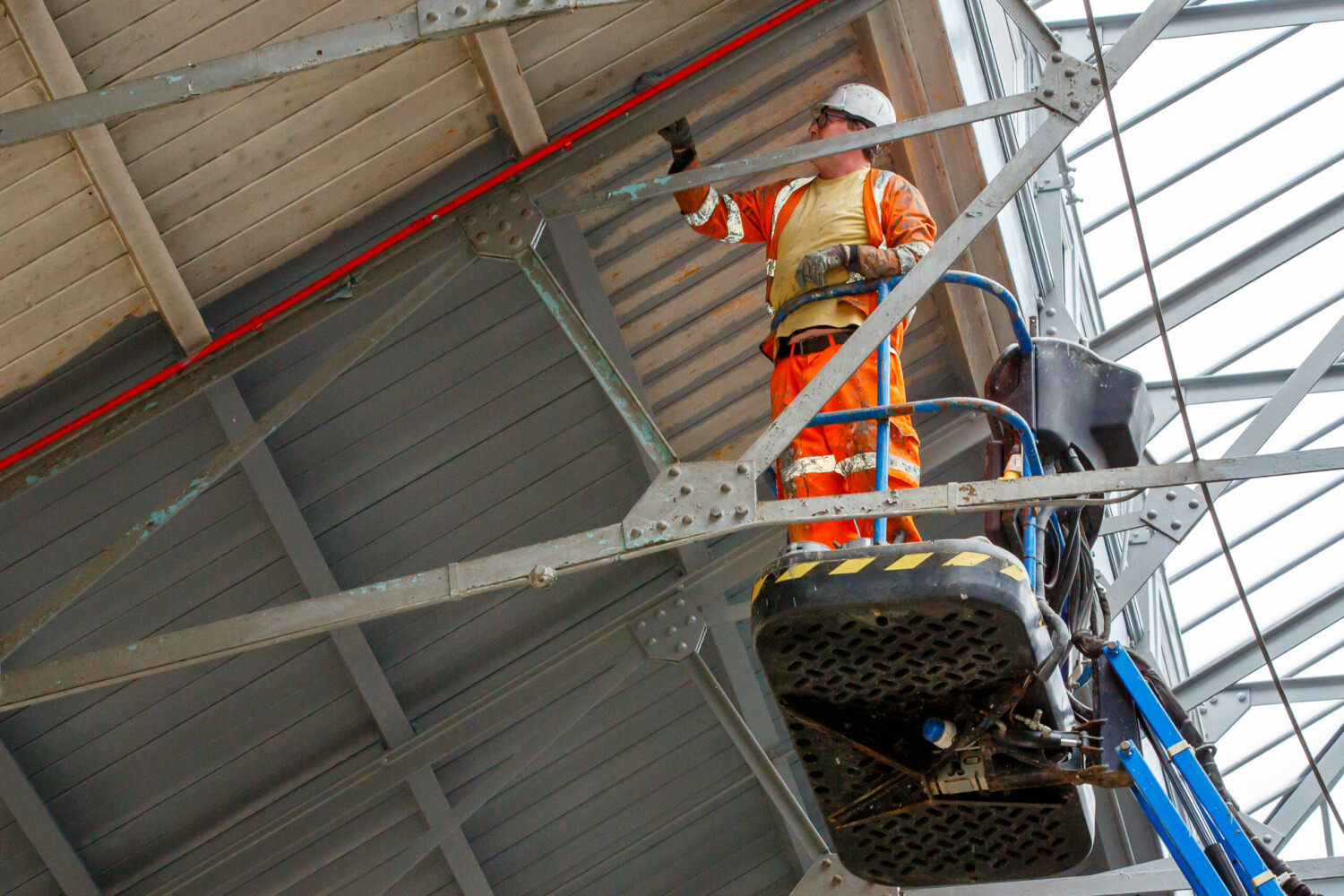
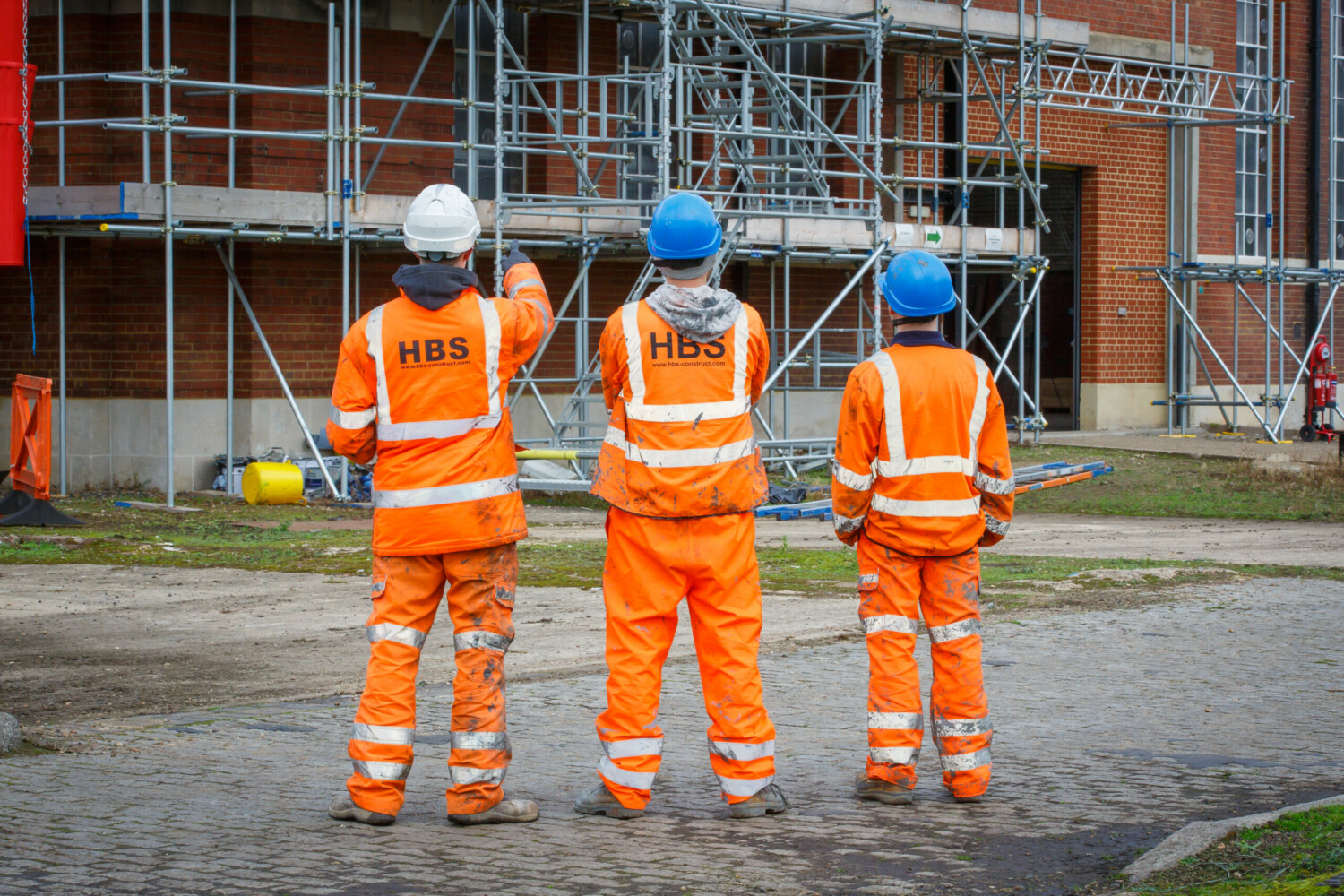
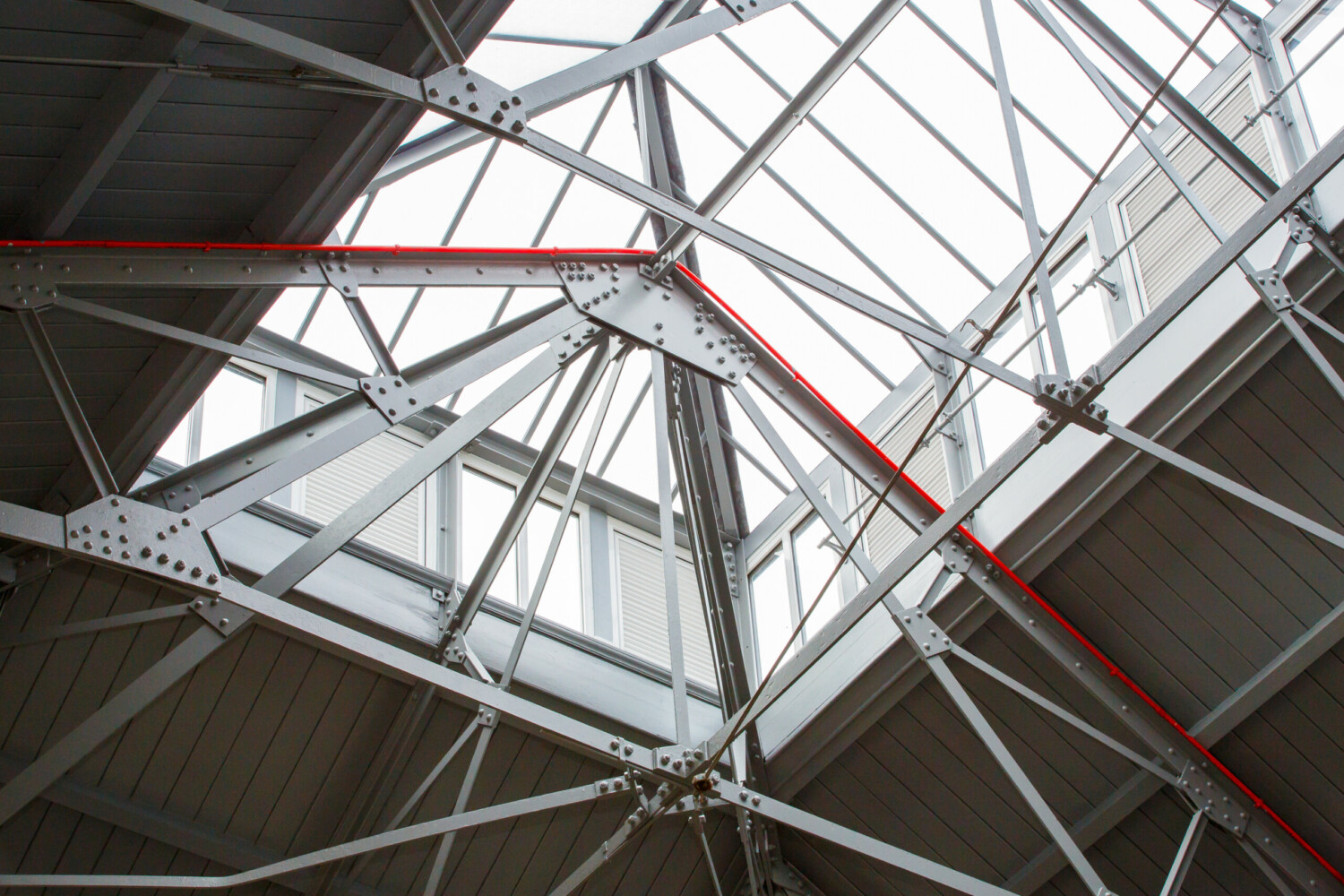
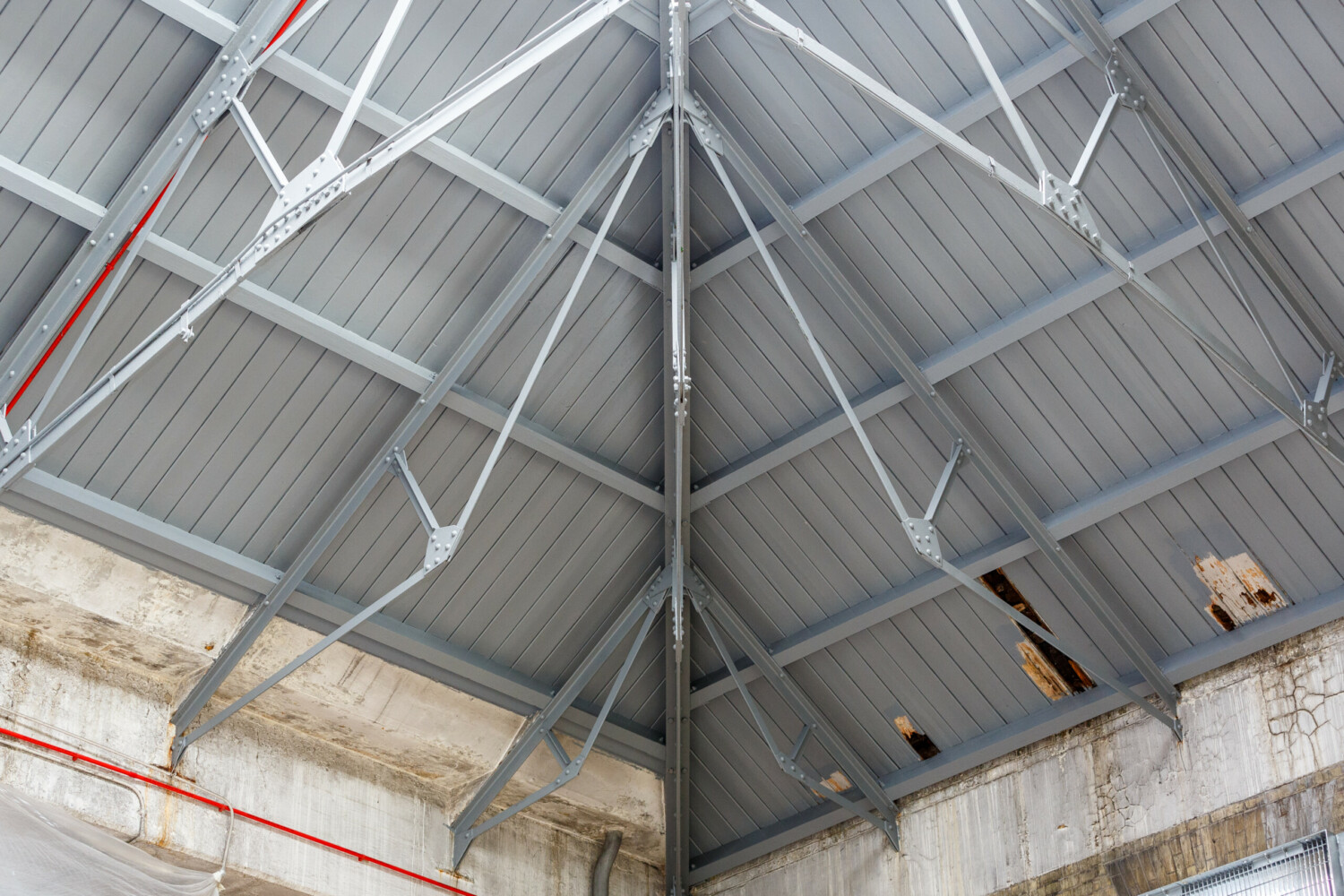
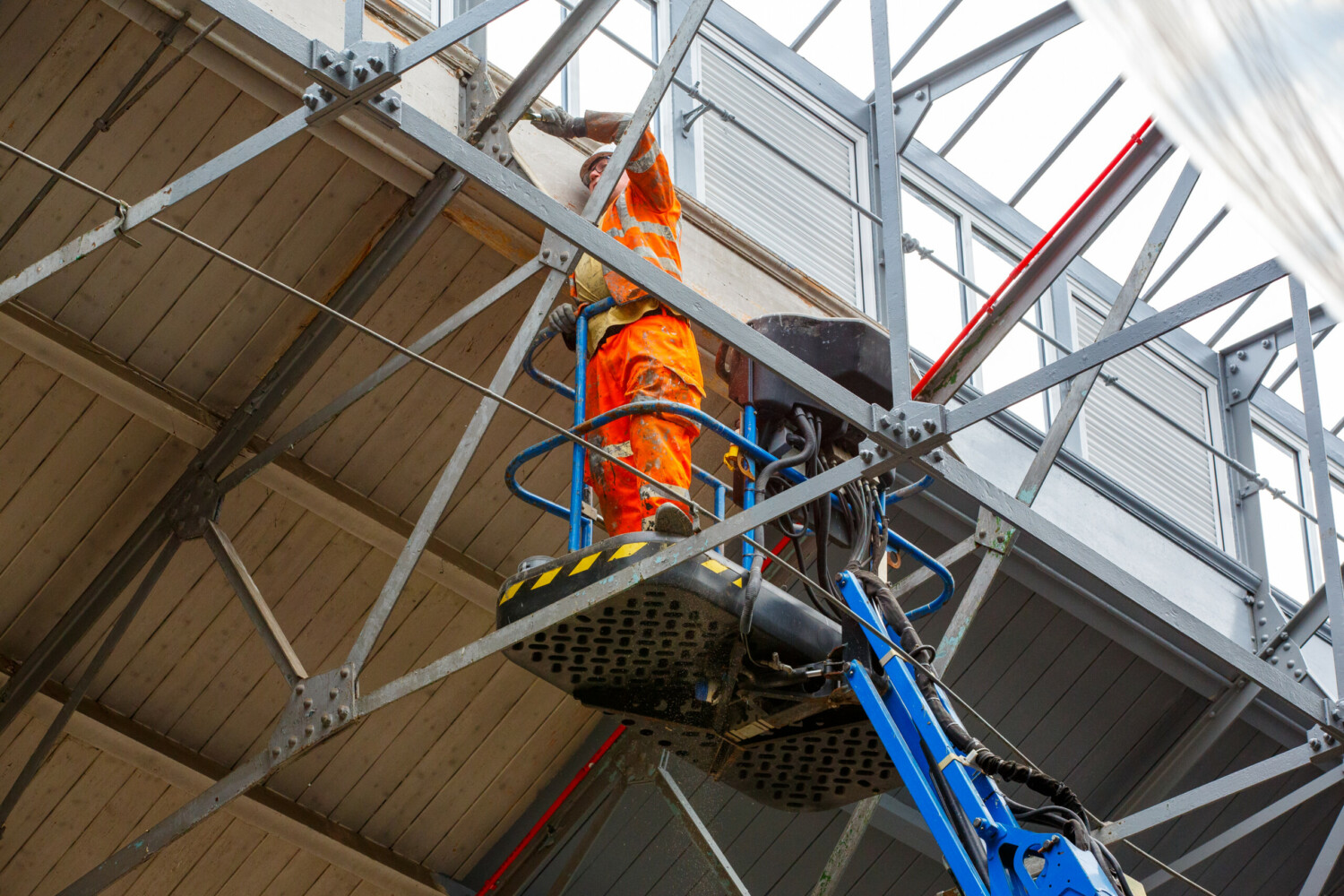
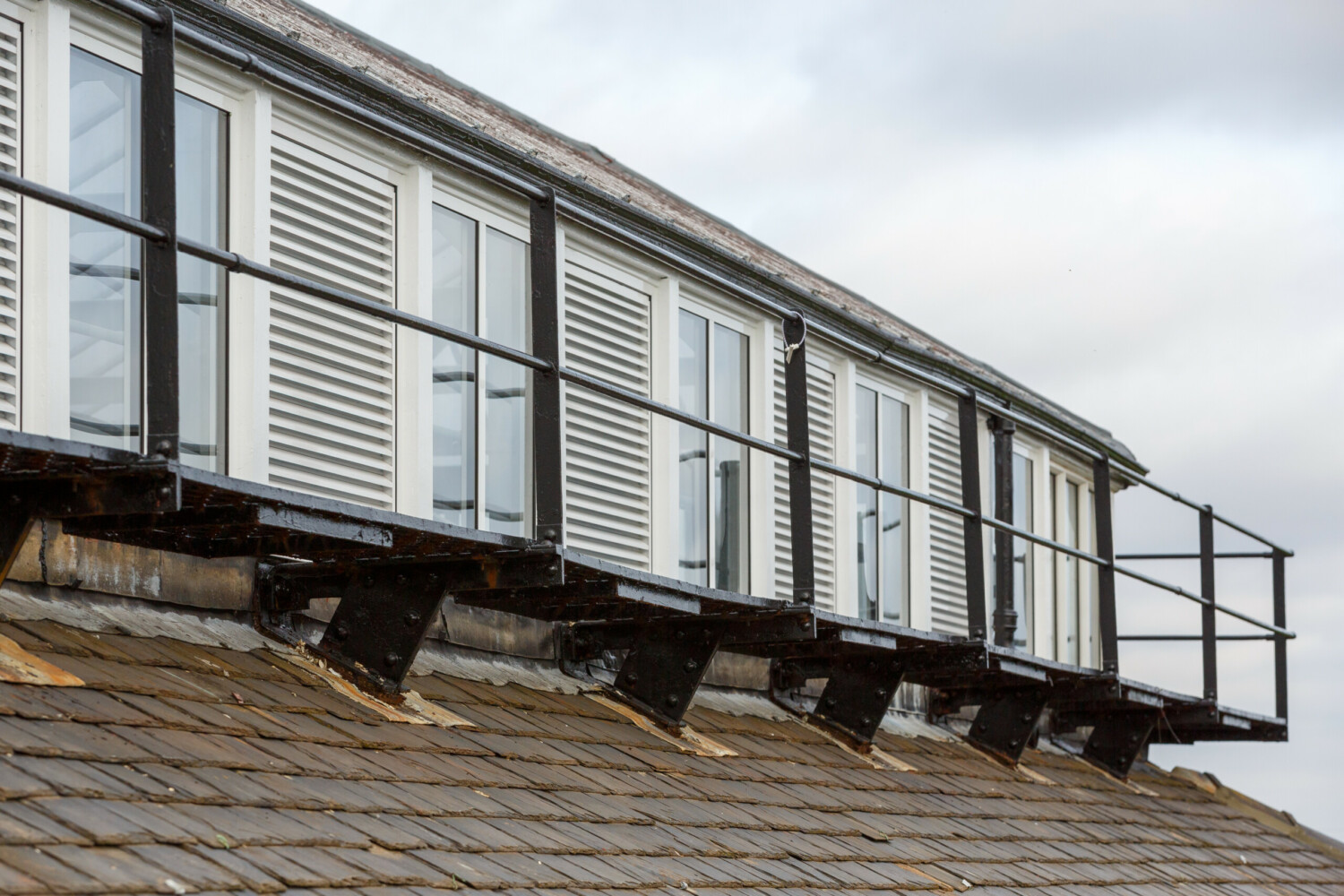
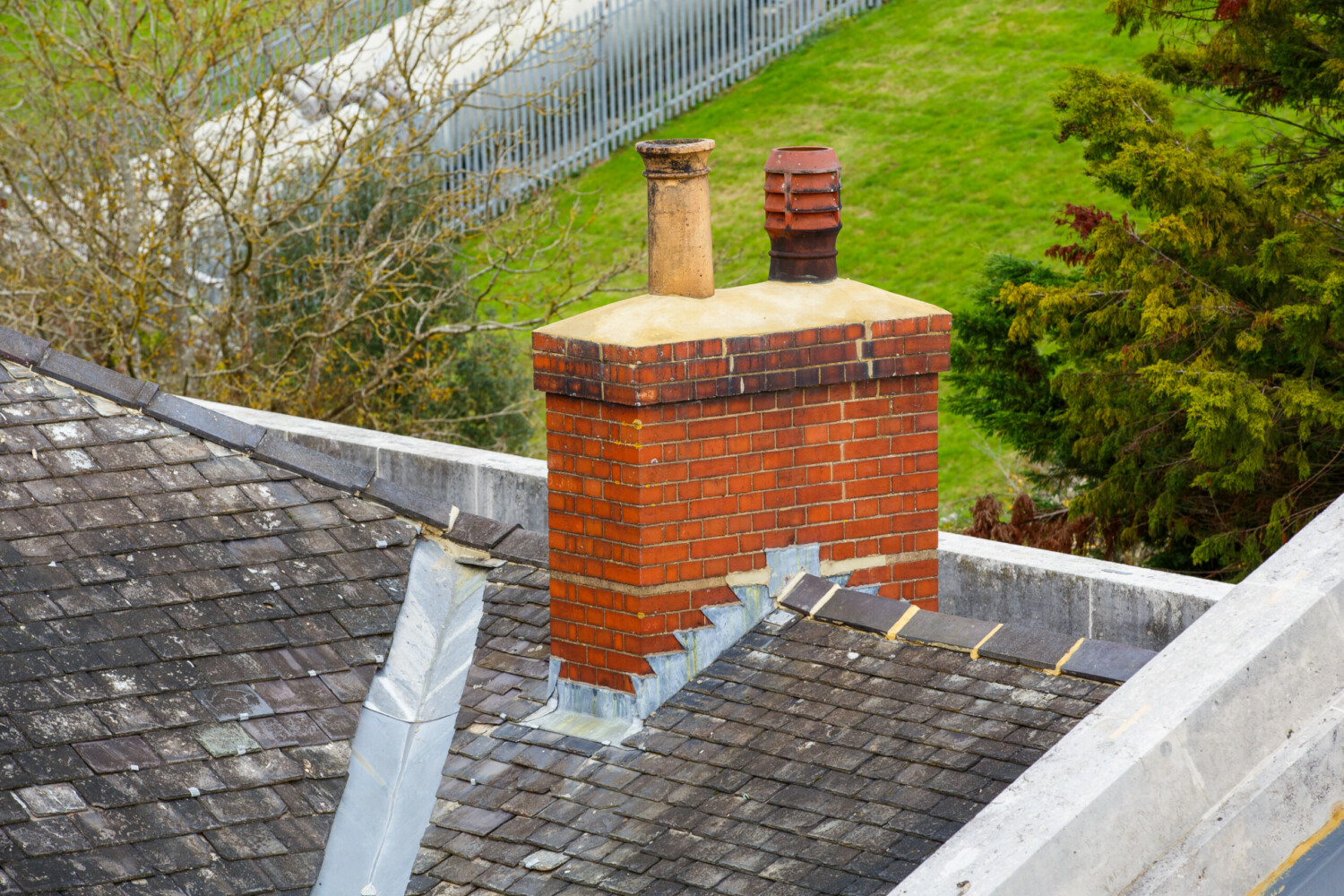
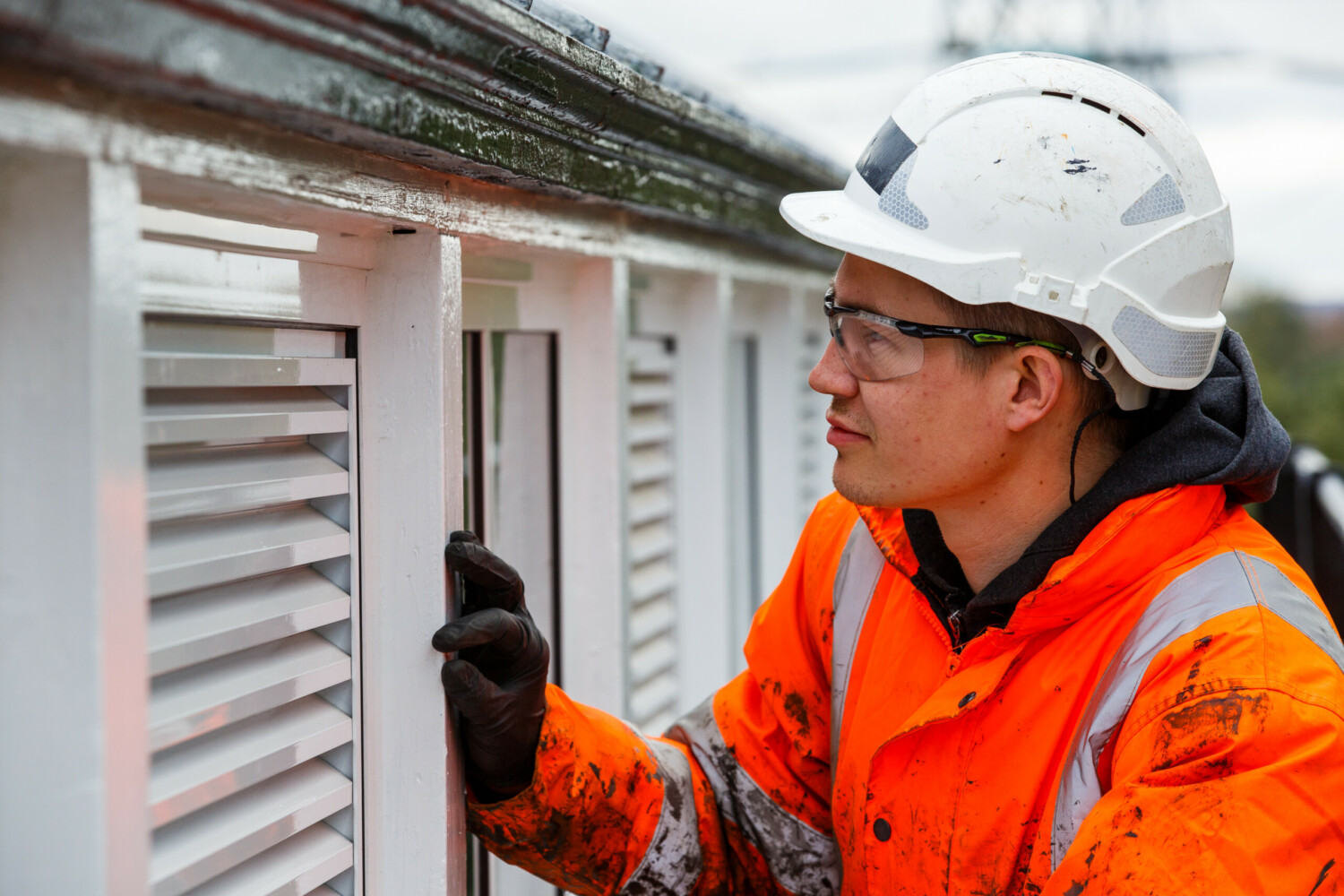
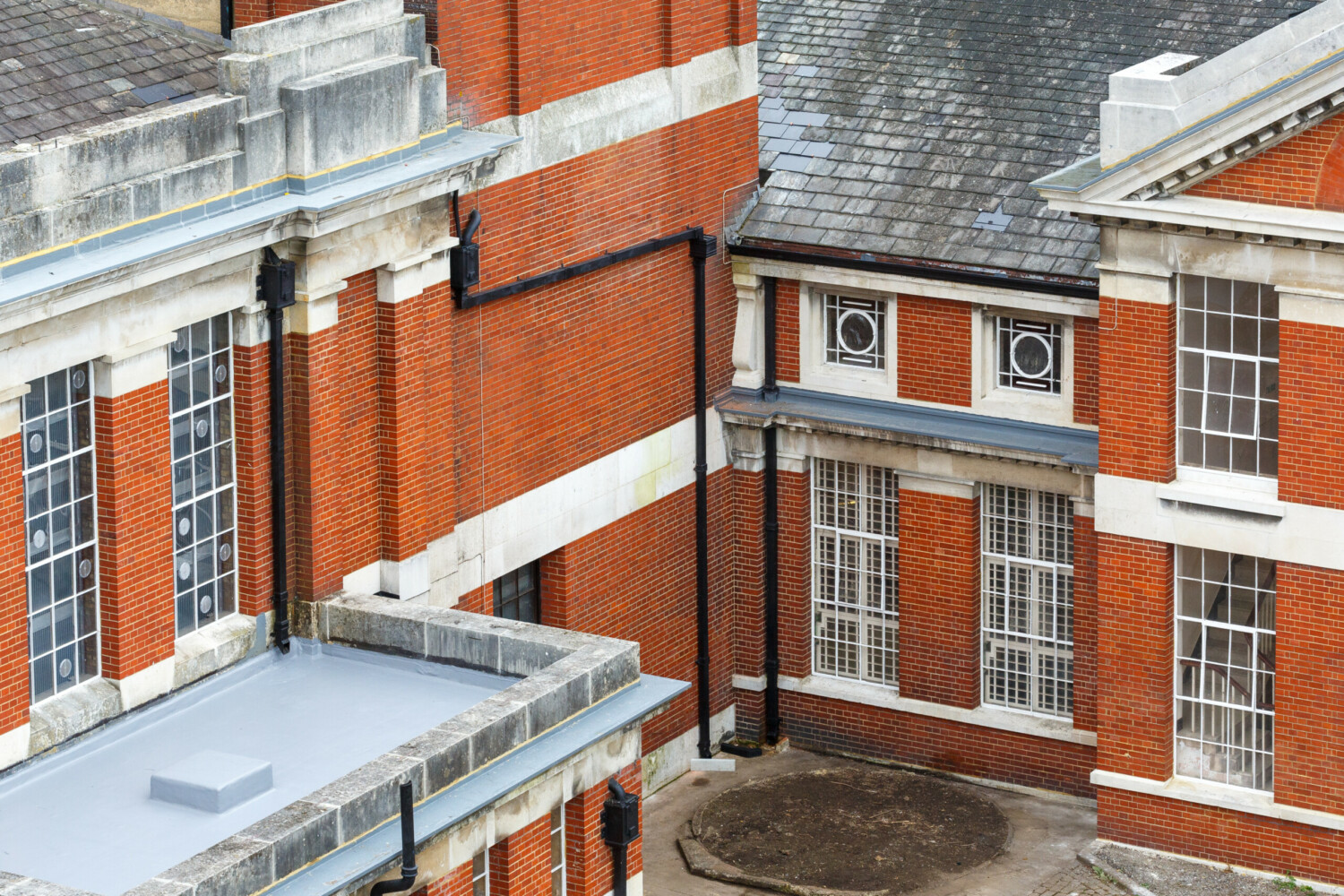
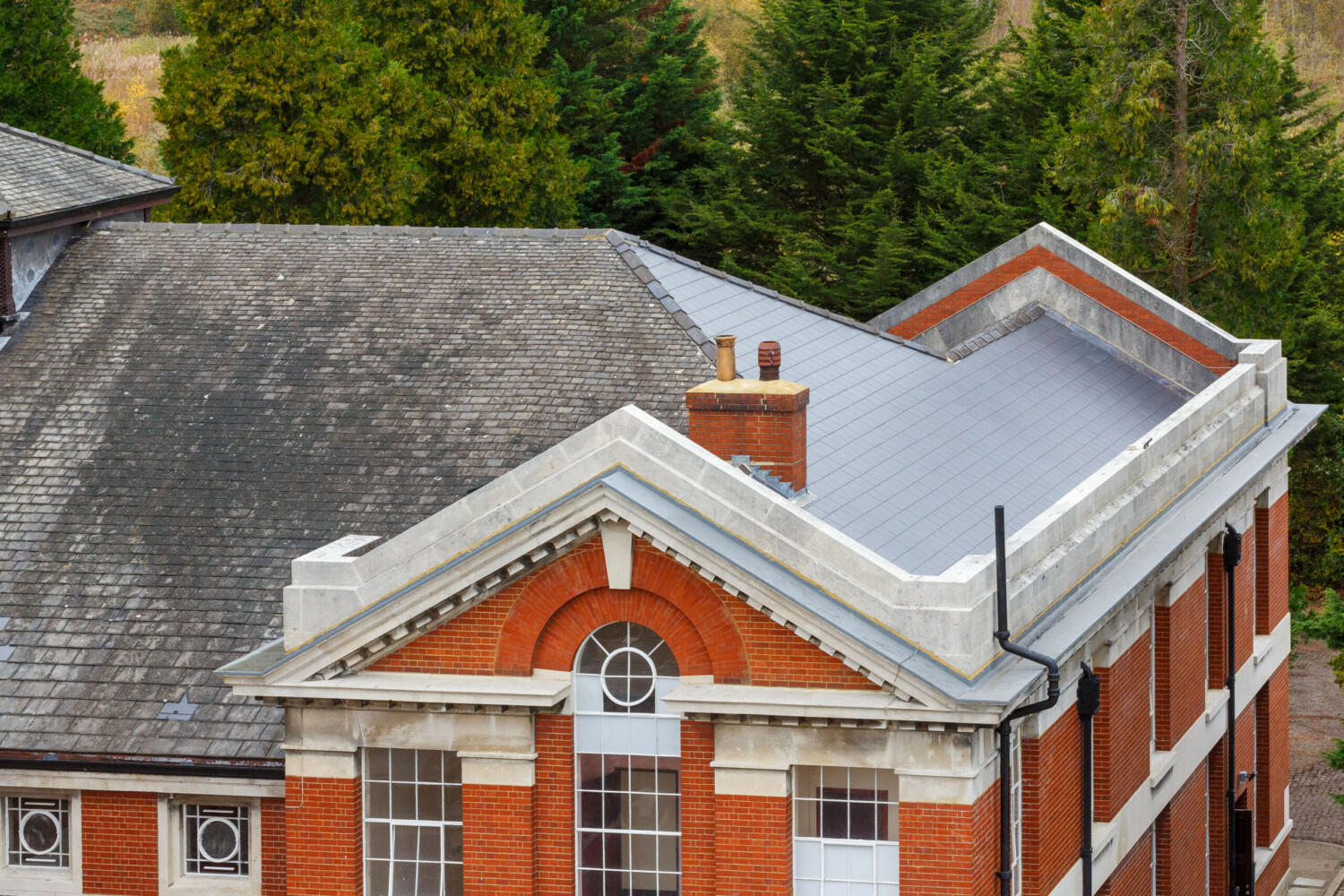
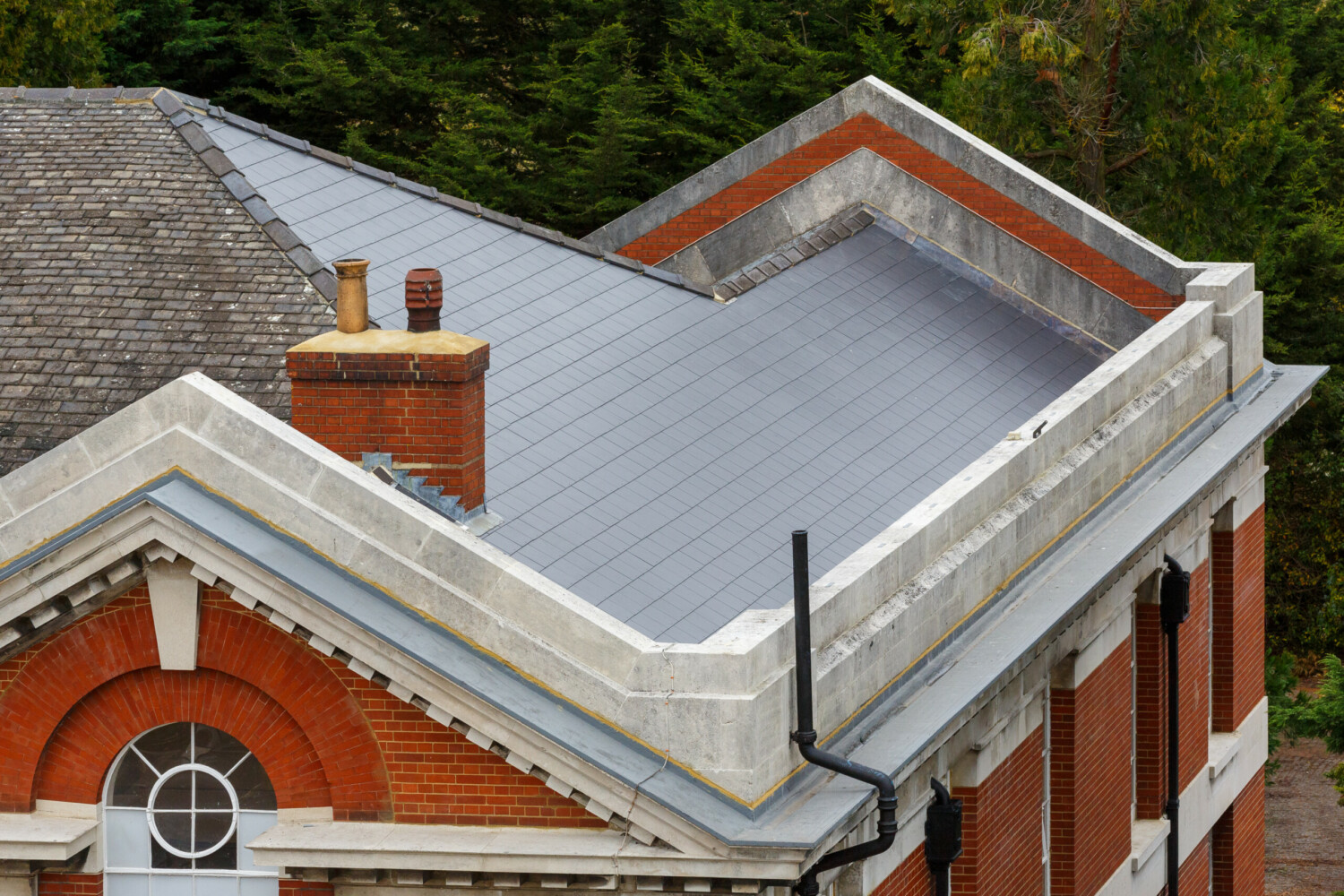
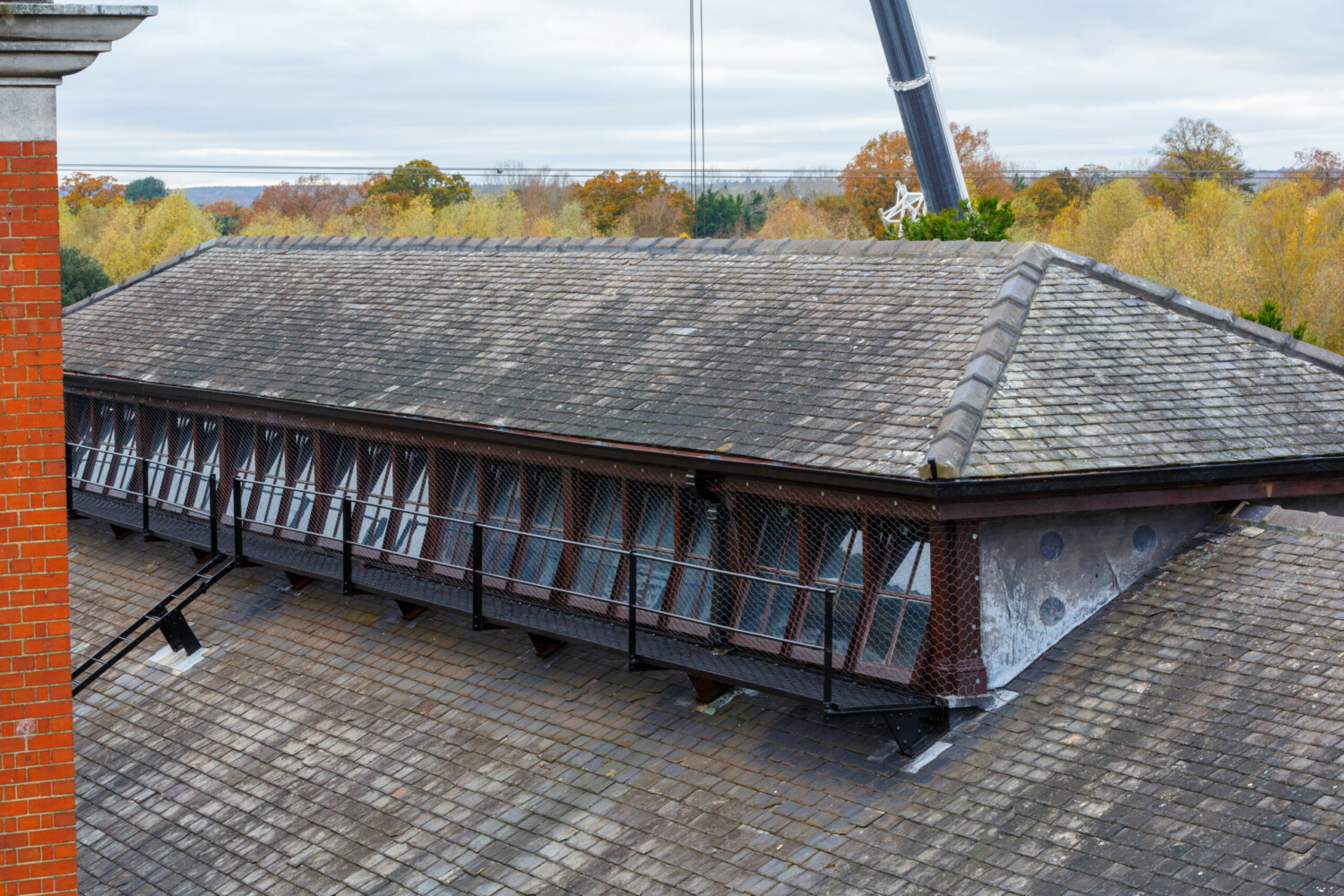
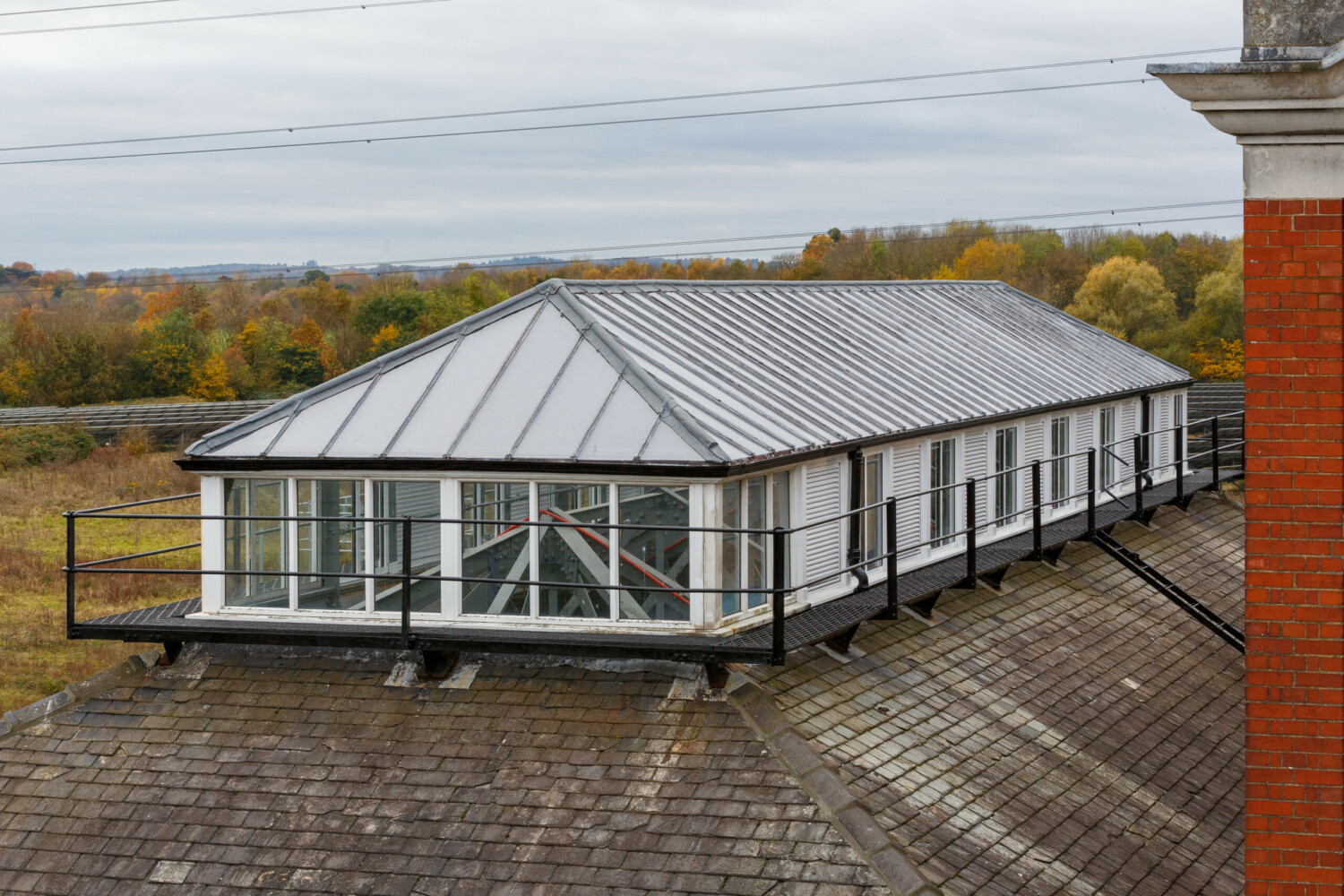
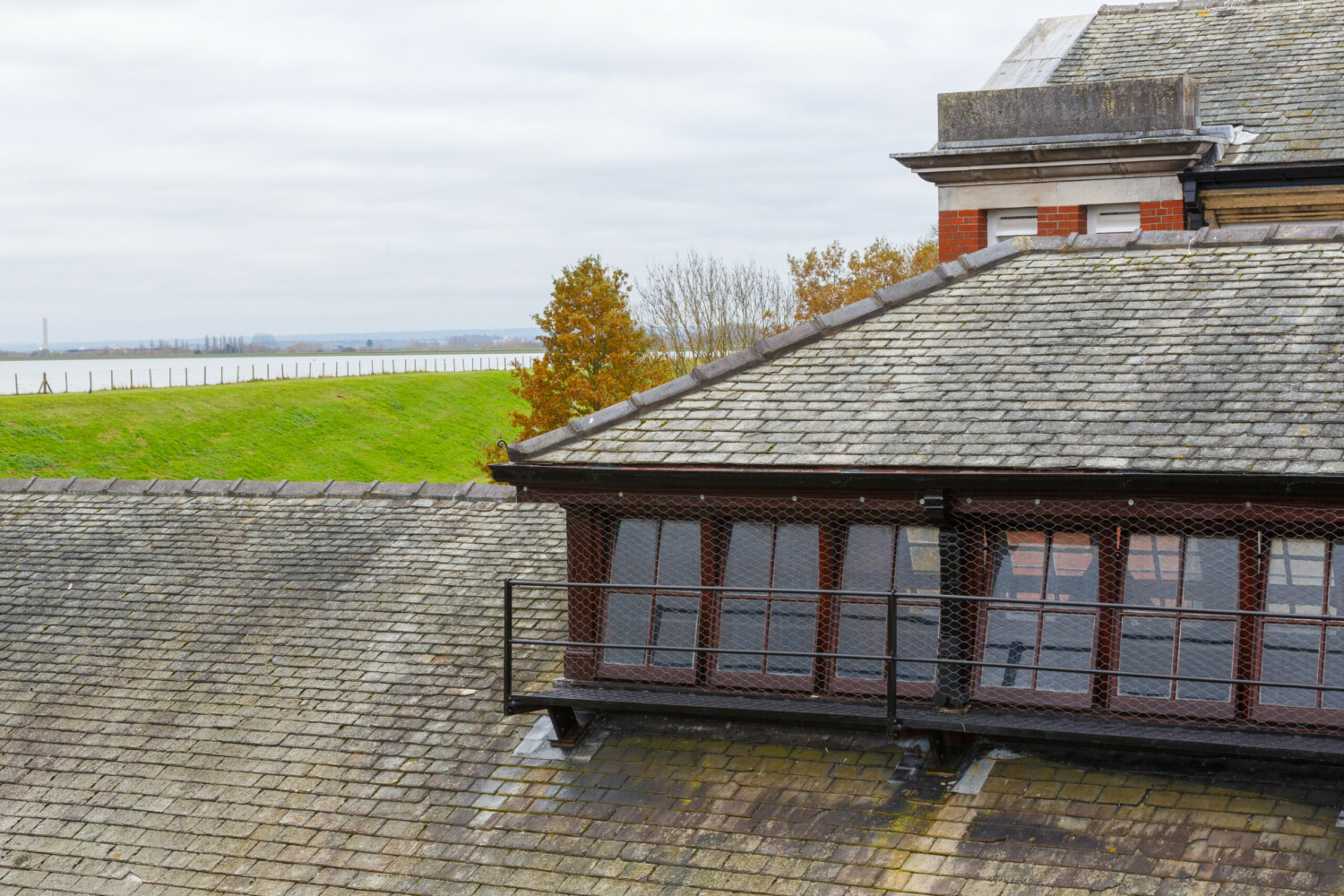
HBS used a Thames Water supplier to install a full scaffolding system that provided access to the roof areas, here roofing restoration included installation of liquid roofing to copings and flashings, repairs to the tiled roof and the re-bedding of roof ridges and hips. Many of the timber and Crittal windows needed repairing, adjusting, and repainting in the matched Dulux specification along with the installation of new aluminium ventilation. Other external works involved repairing and repointing damaged brickwork and concrete repairs. Internally, timbers were repaired and the ceiling to the HV hall was repainted.
HBS Restoration Division Project Director James Brett commented, “Littleton is a glorious example of the imposing architecture the Victorians used to house their engineering capabilities and we are very proud to be involved in restoring such an historic building. The HBS Restoration Division has completed an excellent project to our client Thames Water’s full satisfaction, on time and on budget.”